Dharmendra Saved Sunny Deol from Mashaal — The Flop That Never Was
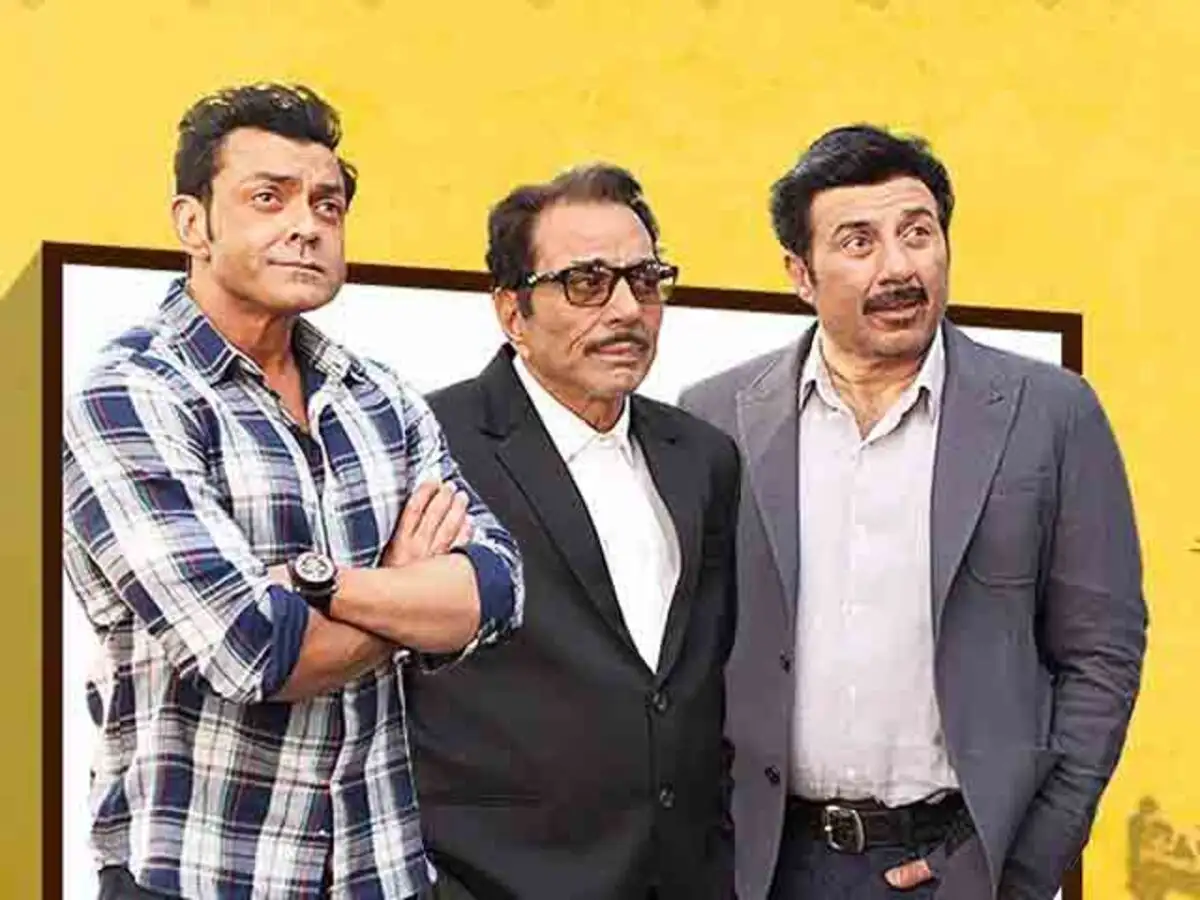
In a fascinating twist of Bollywood history, legendary actor Dharmendra stepped in at a crucial moment in his son Sunny Deol’s early career — stopping him from taking on a film that ultimately flopped at the box office. The film in question was Mashaal, released in 1984. Thanks to Dharmendra’s timely advice, Sunny avoided a potential setback and paved the way for a career on his own terms.
A Promising Role That Turned Sour
Back in the early 1980s, Sunny Deol was still carving his place in Hindi cinema. Coming from a superstar lineage, with Dharmendra already an established icon, Sunny was determined to create his own identity. Around this time, Mashaal, a Yash Chopra production, was in the works. Reports suggest that Sunny was considered for the pivotal role of “Raja.”
- Sunny was reportedly close to finalizing the deal.
- Trade publications and casting updates indicated he was on the verge of joining the film.
- It seemed like a golden opportunity: a big banner, acclaimed co-actors, and a respected production team.
However, the plan never fully materialized — and that’s where Dharmendra stepped in.
At that stage of his career, Sunny Deol was still navigating the complex landscape of Bollywood, where opportunities could either define a star or derail their trajectory. Being the son of a legendary actor brought both advantages and immense expectations. Industry insiders and media observers were closely watching his every move, making each project choice even more critical. A film like Mashaal, backed by an influential production house and featuring seasoned actors, appeared to be the perfect launchpad for credibility and visibility. However, such projects also come with heightened pressure, especially for newcomers who are yet to establish their unique identity. The possibility of being overshadowed by more experienced co-stars or getting lost in a multi-layered narrative was a real concern. For a young actor still building confidence, stepping into such a high-stakes environment could have been overwhelming. This context makes Dharmendra’s intervention even more significant, as it wasn’t just about rejecting a film—it was about protecting the foundation of Sunny’s future career.
Dharmendra’s Paternal Advice
When Dharmendra learned that Sunny was seriously considering Mashaal, he grew concerned. His instincts were both paternal and professional:
- Too early in his career: Sunny was still finding his footing in the industry.
- High stakes: Working alongside veteran actors could be overwhelming at that stage.
- Foundation first: Dharmendra believed Sunny’s career would benefit more from smaller, well-suited roles initially.
He advised Sunny: “Don’t rush into big projects — build slowly and choose carefully.” Remarkably, Sunny listened, choosing to step back from Mashaal.
Dharmendra’s advice reflected a deep understanding of the film industry’s unpredictable nature. Having experienced both success and setbacks himself, he knew that an actor’s early choices often shape how they are perceived by audiences and filmmakers alike. Rather than chasing immediate visibility, he believed in cultivating a steady, organic growth that would allow Sunny to develop his craft without unnecessary pressure. He emphasized the importance of choosing roles that aligned with Sunny’s strengths, personality, and long-term vision. This guidance was not about limiting opportunities but about ensuring that each step contributed meaningfully to his development as an actor. Dharmendra’s perspective also highlighted a rare quality in the industry—the ability to prioritize sustainability over instant success. His approach underscored the idea that a well-planned career, built gradually, often leads to more enduring recognition than a rapid but unstable rise.
The Fallout: Mashaal Flops
When Mashaal released in 1984, the film didn’t fare well:
- Critics gave lukewarm reviews.
- The box office performance was disappointing.
- Media reports labeled it a flop despite its talented cast and ambitious production.
Dharmendra’s guidance, therefore, appeared prophetic. By avoiding Mashaal, Sunny sidestepped an early career setback and gained the freedom to grow on his own terms.
While Mashaal may not have performed well commercially, its outcome served as a valuable lesson for the industry. Films with strong backing and talented teams do not always guarantee success, and audience reception can be influenced by numerous unpredictable factors. For Sunny Deol, the film’s underperformance reinforced the wisdom of his father’s advice. Avoiding the project meant he did not have to bear the weight of an early setback, allowing him to continue building his career with confidence. In an industry where first impressions can significantly impact future opportunities, sidestepping a flop at a formative stage proved beneficial. It allowed Sunny to maintain a clean slate and focus on projects that would better showcase his abilities. This incident also highlighted the importance of timing in Bollywood—sometimes, even the most promising projects may not align with an actor’s readiness or career stage.
A Defining Moment in Sunny’s Journey
This incident is more than just a footnote in Bollywood lore. It highlights:
- The importance of family mentorship in shaping careers.
- Dharmendra’s role not just as a superstar dad, but as a strategic guide.
- Sunny’s ability to build his own identity, free from early failures.
After avoiding Mashaal, Sunny went on to choose films that matched his style, gradually cementing his action-hero image. He built a reputation of his own, rather than being defined by his father’s legacy.
This decision ultimately contributed to shaping Sunny Deol’s distinct cinematic identity. Rather than being introduced through a project that might not have highlighted his strengths, he gradually found roles that resonated with his personality and audience expectations. His later performances established him as a powerful screen presence, particularly in action and emotionally intense roles. The confidence to make selective choices became a defining trait of his career, enabling him to build a strong and loyal fan base. This moment also demonstrated the importance of self-awareness in an actor’s journey. By stepping away from a high-profile opportunity, Sunny showed a willingness to prioritize long-term growth over immediate recognition. Such decisions, though difficult at the time, often become pivotal turning points that shape an actor’s trajectory in meaningful ways.
Reflections from the Deol Household
Both Dharmendra and Sunny have rarely elaborated on this story publicly, but media reports consistently highlight Dharmendra’s foresight. According to NDTV:
“धर्मेंद्र की सलाह ने बदल दी कहानी … सही फैसला साबित हुई दूरी”
(“Dharmendra’s advice changed the story … the distance proved to be the right decision”)
For Dharmendra, this was about protecting Sunny’s potential, not merely steering him away from a single project. For Sunny, stepping back allowed him to prepare for a more sustainable and impactful career.
Within the Deol family, this episode is often seen as an example of thoughtful guidance and mutual respect. Dharmendra’s approach was not authoritative but advisory, allowing Sunny to make the final decision while offering insights drawn from experience. This dynamic highlights the balance between mentorship and independence, which is crucial in creative professions. Sunny’s willingness to trust his father’s judgment also reflects the strong bond they share, built on respect and understanding rather than pressure. Over the years, this relationship has remained a cornerstone of the Deol family’s journey in Bollywood. It illustrates how personal connections and shared experiences can influence professional decisions in profound ways. Such stories provide a glimpse into the human side of the industry, where success is often shaped by relationships as much as by talent.
Why This Story Still Matters
In today’s fast-paced film industry, actors often sign multiple big projects early on. This story reminds us of the importance of:
- Restraint and patience
- Strategic career planning
- The value of mentorship
Legacy can be a double-edged sword. Sunny Deol had the advantage of a famous father, but Dharmendra’s advice ensured that early opportunities didn’t become early pitfalls.
Even decades later, this story continues to resonate because it addresses universal themes of patience, guidance, and strategic decision-making. In an era where instant success is often prioritized, the idea of taking a step back to build a stronger foundation can seem counterintuitive. However, Sunny Deol’s journey demonstrates that careful planning and thoughtful choices can lead to more sustainable success. For aspiring actors and professionals in any field, this story serves as a reminder that not every opportunity needs to be accepted. Sometimes, the courage to say no can open doors to more meaningful and fulfilling paths. It also underscores the importance of having mentors who can provide perspective during critical moments. In a rapidly evolving industry, such lessons remain as relevant today as they were decades ago.
Beyond Box Office: A Father’s Vision
This tale is not just about avoiding a flop:
- It reflects Dharmendra’s long-term vision for his son.
- It demonstrates how sometimes saying “no” can be more powerful than saying “yes.”
- It highlights the rare sacrificial mentorship in an industry known for cutthroat competition.
By stepping in, Dharmendra gave Sunny the best chance to thrive — not immediately, but in the long run.
Conclusion
The story of Mashaal — the film Sunny Deol wisely avoided — has become a part of Bollywood folklore. Thanks to Dharmendra’s timely intervention:
- Sunny avoided an early career flop.
- He built a legacy based on his talent, choice of roles, and perseverance.
- The father-son dynamic set an example of foresight, wisdom, and strategic thinking in cinema.
For Sunny Deol, stepping away from Mashaal wasn’t a missed opportunity — it was the first step toward creating a legacy of his own making.