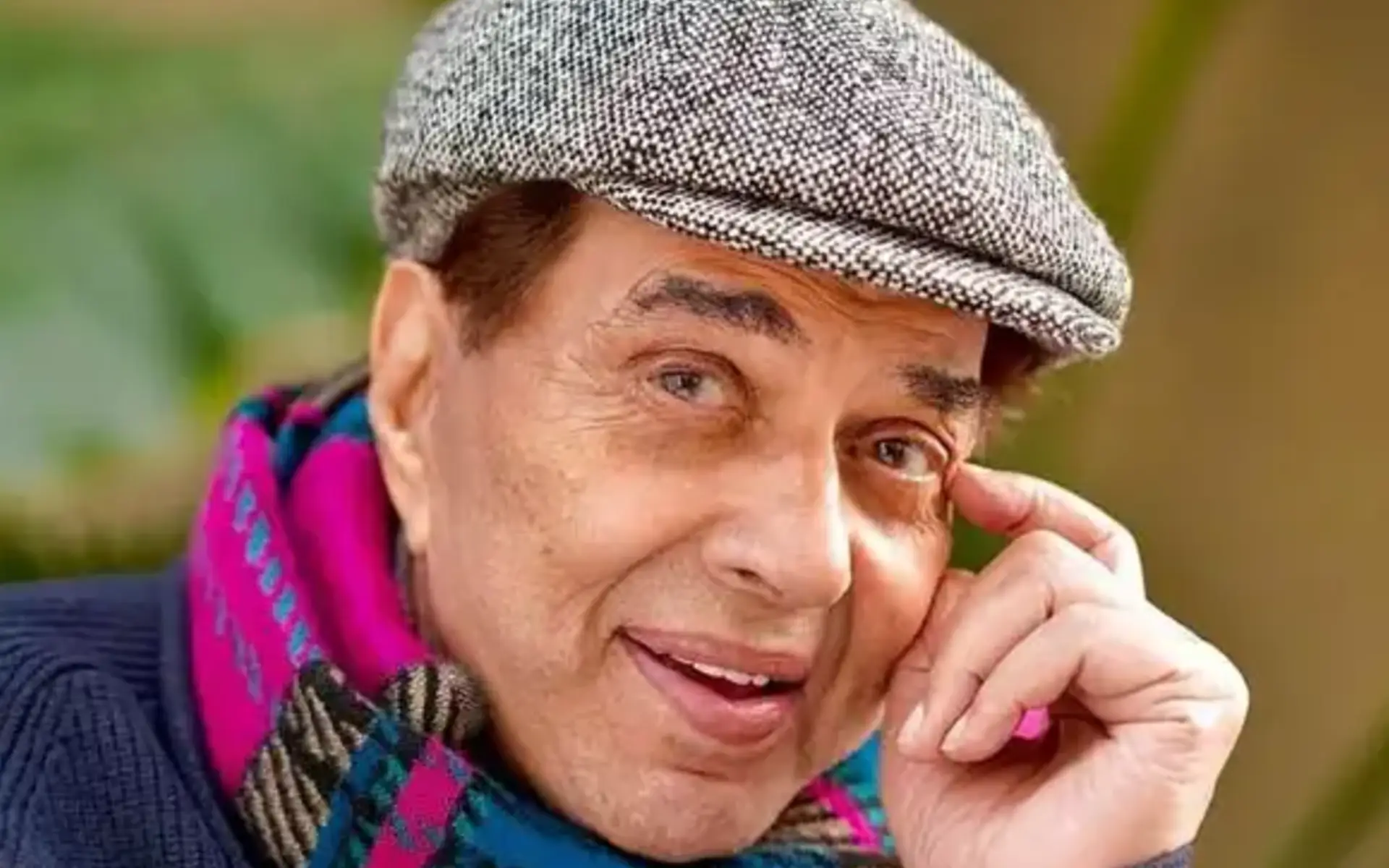
In a deeply emotional moment for Indian cinema, Bollywood icon Dharmendra, affectionately known as the “He‑Man,” passed away at the age of 89 on November 24, 2025. The legendary actor died peacefully at his Mumbai residence after a brief illness, leaving fans and colleagues around the country heartbroken. Amid this national mourning, discussions have emerged over the absence of state honours for a star of his immense legacy.
A Life That Defined Bollywood
Born Dharmendra Kewal Krishan Deol in a small village in Punjab in 1935, Dharmendra’s rise from humble beginnings to Bollywood superstardom is the stuff of legend. He made his film debut in 1960 with Dil Bhi Tera Hum Bhi Tere, and over the next six decades, starred in over 300 films.
His career was remarkable for its versatility:
- Romantic leads: Phool Aur Patthar, Aaye Din Bahar Ke
- Action heroes: Dharam Veer, The Burning Train
- Comedy and light-hearted roles: Chupke Chupke, Anhonee
However, it was his portrayal of Veeru in the 1975 blockbuster Sholay that cemented his place in cinematic history. The film became a cultural phenomenon, and Dharmendra’s charm, charisma, and natural flair won the hearts of millions. Beyond his screen presence, he was admired for his integrity, humility, and deep connection with fans, qualities that made him beloved both on and off the screen.
What truly set Dharmendra apart was not just the volume of his work, but the emotional connection he built with audiences across generations. At a time when Bollywood was still defining its identity, he emerged as a symbol of sincerity and relatability. His performances carried a natural ease that made even the most dramatic scenes feel authentic. Whether portraying a vulnerable lover or a fearless hero, he brought a rare honesty to the screen that resonated deeply with viewers from both urban and rural backgrounds. Film historians often note that Dharmendra represented a bridge between traditional storytelling and modern cinematic expression, helping shape the evolving narrative style of Hindi cinema. His ability to adapt to changing trends—while retaining his core persona—allowed him to remain relevant for decades, a feat few actors manage. This consistency and adaptability made him not just a star, but a cornerstone of Bollywood’s golden era.
Life Beyond Films
Off-camera, Dharmendra’s life was equally fascinating.
- Married twice: first to Prakash Kaur and later to Hema Malini, with whom he had two children.
- Fathered six children, including actors Sunny Deol and Bobby Deol.
- Served as a Member of Parliament, showing his commitment to public service.
- Honoured with the Padma Bhushan in 2012 for his immense contribution to Indian cinema.
He was a family man, mentor, and cultural icon whose influence extended far beyond Bollywood.
Beyond his public roles and achievements, Dharmendra’s personal philosophy played a significant role in defining his legacy. He often spoke about the importance of staying grounded despite fame, crediting his rural upbringing for keeping him connected to simple values. Friends and colleagues frequently described him as someone who preferred genuine conversations over industry politics, often choosing to spend time away from the spotlight whenever possible. His farmhouse became a place of retreat, where he embraced nature, agriculture, and a quieter lifestyle that contrasted sharply with the glamour of Mumbai. This duality—being both a superstar and a man deeply rooted in simplicity—made him even more admired. It also offered a refreshing perspective in an industry where success is often measured solely by visibility and recognition. Dharmendra’s life outside films served as a reminder that true fulfillment lies not just in professional success, but in maintaining personal authenticity and balance.
Final Days and Tributes
In the weeks leading up to his death, Dharmendra faced health challenges, including respiratory issues that required hospitalization and ventilator support. After being discharged, he spent his final days at home with his family.
On November 24, he passed away peacefully. His last rites were held at a crematorium in Juhu, Mumbai, attended by close family and industry legends. The ceremony was a somber, heartfelt farewell filled with tears, hugs, and shared memories of a man who shaped Indian cinema.
Tributes poured in from all corners:
- Prime Minister Narendra Modi described his death as “the end of an era.”
- Prominent actors and filmmakers, including Karan Johar, Amitabh Bachchan, and Salman Khan, expressed their grief.
The days following his passing saw an outpouring of memories from across generations, highlighting not only his professional achievements but also his personal warmth. Many colleagues shared lesser-known stories of his kindness—instances where he supported struggling artists, encouraged newcomers, or simply offered a listening ear during difficult times. Such recollections painted a portrait of a man who valued relationships over recognition, often helping others without seeking acknowledgment. Television channels aired retrospectives of his most iconic films, while fans revisited his performances on streaming platforms, creating a digital tribute that extended far beyond traditional mourning. Social media became a space for collective remembrance, with fans sharing dialogues, songs, and moments that had defined their connection to his work. These tributes demonstrated that Dharmendra’s impact was not limited to the industry alone; it was deeply embedded in the cultural memory of the nation, spanning decades of storytelling and shared experiences.
The Debate Over State Honours
Despite his monumental contributions, there has been no announcement of state-level honours for Dharmendra. Unlike other legendary figures, there will be no national funeral or government-led memorial.
This has sparked debate among fans and insiders:
- Many argue that Dharmendra deserved a state-backed tribute reflecting his influence on generations of actors and filmmakers.
- Some critics suggest that cinematic contributions are often undervalued unless linked to political or cultural priorities.
The absence of official recognition raises critical questions: Should India’s film legends receive formal state honours, or should their legacy live solely through their work and the love of audiences?
The discussion surrounding state honours also reflects a broader conversation about how cultural contributions are valued in society. While artists like Dharmendra shape public imagination and influence generations, formal recognition often remains inconsistent. This has led to calls from within the film fraternity for clearer criteria in acknowledging contributions to cinema as a form of national heritage. Supporters argue that cinema is one of India’s most powerful cultural exports, and those who have significantly contributed to its growth deserve recognition at the highest levels. Others, however, believe that institutional honours should be reserved for contributions directly linked to public service or governance. This divergence of opinion highlights the complexity of defining national recognition in a country as diverse as India. Regardless of the outcome, the conversation itself underscores the importance of acknowledging artistic contributions as an integral part of cultural identity, deserving of thoughtful consideration and respect.
Legacy Beyond the Screen
Dharmendra’s impact goes far beyond awards and ceremonies. His on-screen presence was magnetic, nuanced, and timeless, blending heroism, vulnerability, and humor.
He was also:
- A mentor to younger actors
- A devoted family man
- A cultural ambassador, sharing glimpses of his Punjabi roots and humble lifestyle
Even posthumously, Dharmendra’s final films will remind audiences of his dedication, energy, and charisma, ensuring his influence continues in the industry he helped shape.
Dharmendra’s legacy is also reflected in the values he passed on to the next generation of artists, particularly within his own family. His sons, Sunny and Bobby Deol, have often spoken about the lessons they learned from him—not just about acting, but about discipline, humility, and perseverance. Even actors who never worked with him cite his journey as a source of inspiration, demonstrating that success can be achieved without compromising one’s authenticity. His career serves as a blueprint for longevity in an industry known for its unpredictability. By consistently delivering performances that resonated with audiences, he built a legacy that transcended trends and remained relevant across decades. This enduring appeal is perhaps the greatest testament to his artistry, proving that genuine talent and emotional honesty never go out of style. His influence continues to shape how actors approach their craft, emphasizing substance over spectacle.
What Lies Ahead
In the coming days, calls for formal tributes or posthumous recognition may emerge. Industry peers, fan organizations, and cultural commentators could advocate for government recognition, honoring the legacy of a man who helped define Indian cinema.
This moment also offers an opportunity for the nation to reflect on how it celebrates cultural icons. In India, where film mirrors society and influences generations, legends like Dharmendra arguably deserve recognition that goes beyond applause and awards.
In the aftermath of his passing, there is growing momentum within the industry to celebrate Dharmendra’s contributions through various initiatives. Discussions have begun around film retrospectives, documentary projects, and even educational programs that highlight his work and its impact on Indian cinema. Film schools and cultural institutions may use his career as a case study to illustrate the evolution of acting styles and storytelling techniques over the decades. Such efforts not only honor his memory but also ensure that future generations understand the significance of his contributions. Additionally, fan communities are organizing tribute screenings and online campaigns to keep his legacy alive. These collective efforts demonstrate that remembrance is not confined to a single moment but continues through sustained appreciation and engagement. In this way, Dharmendra’s story will remain a living part of Bollywood’s narrative, inspiring both audiences and artists for years to come.
A Legacy That Transcends Ceremony
Ultimately, the absence of state honours does not diminish Dharmendra’s lasting influence. His legacy lives:
- On-screen, through iconic films and memorable roles
- In the hearts of fans across generations
- Among actors and filmmakers he inspired
For decades, his performances defined heroism, charm, and integrity. Even without formal ceremonies, the “He-Man” of Bollywood has left an indelible mark that will continue to be celebrated forever.