Ex-NCB Officer Sameer Wankhede Approaches Delhi HC Over ‘Bads of Bollywood’, Firm Demands Rs 2 Crore from SRK
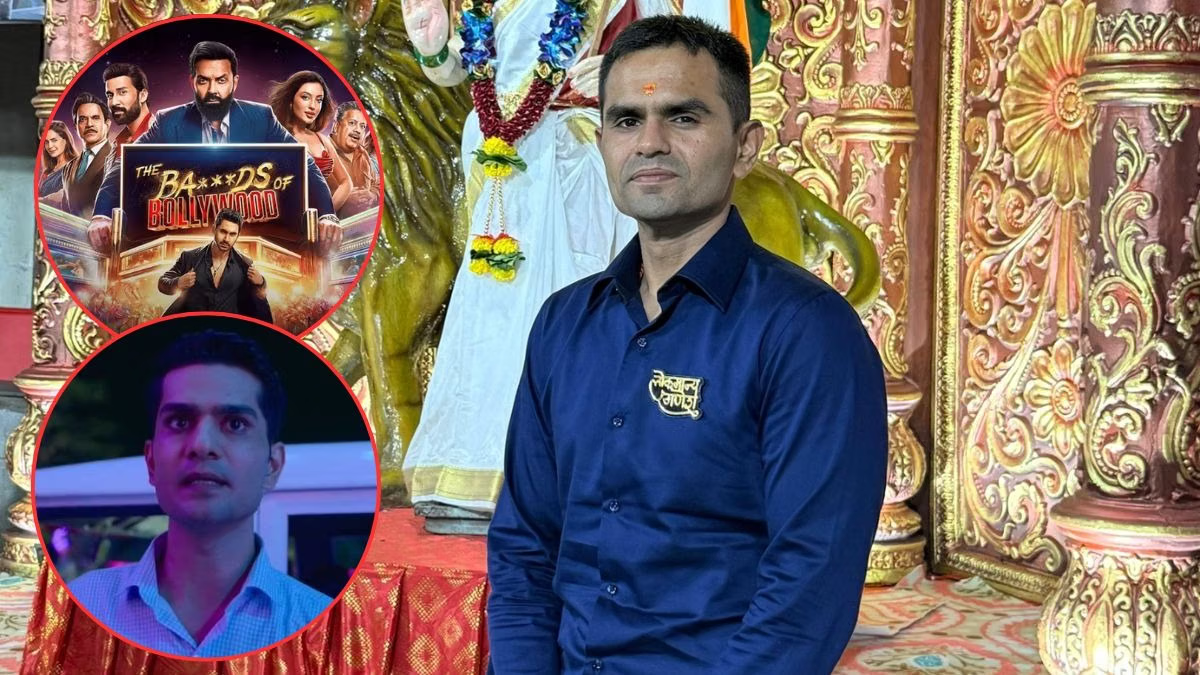
In a major legal development, former Narcotics Control Bureau (NCB) Zonal Director Sameer Wankhede has approached the Delhi High Court regarding his portrayal in Netflix’s Bads of Bollywood*. Wankhede has stated in his petition that the series, produced by Red Chillies Entertainment – led by Bollywood superstar Shah Rukh Khan and his wife Gauri Khan – presents a “wrong picture” of him and damages his reputation.
He is demanding damages of Rs 2 crore, which he has pledged to donate to the Tata Memorial Cancer Hospital.
Background
- Sameer Wankhede rose to national prominence last month during a high-profile NCB raid on a cruise ship off Mumbai’s coast.
- Aryan Khan, son of Shah Rukh Khan, was arrested in connection with an alleged drug case.
- Although the case made headlines, Aryan Khan was later released on bail and his charges were dropped.
The aftermath of the raid continues to draw attention, as Ba**ds of Bollywood has reignited discussions on the portrayal of real people in fictionalized narratives. Wankhede claims that the series distorts his conduct, portraying him as corrupt and tainted, which negatively affects his personal reputation and professional prospects.
The Allegations
Wankhede has sought several remedies in his petition before the Delhi High Court:
- Permanent injunction restraining the defendants from streaming or making available the allegedly defamatory content.
- Removal of all references relating to him that he claims are defamatory.
- Damages of Rs 2 crore, pledged for charitable purposes at a cancer hospital.
Additional points raised in the petition:
- The depiction of law enforcement in the series harms public perception and may erode trust in agencies like the NCB.
- The show features a look-alike character alluding to Wankhede, without directly naming him, creating the impression that he acted improperly.
- Wankhede emphasizes that his legal action is charitable, aimed at restoring his reputation rather than personal financial gain.
Public and Media Reactions
- The lawsuit has attracted widespread attention and sparked debates about the balance between creative freedom and individual rights.
- Filmmakers and screenwriters often advocate for artistic freedom in fictionalizing real events, while individuals like Wankhede argue for protection against false and defamatory portrayals.
- Online forums have been active:
- Supporters stress the importance of holding content creators accountable for misrepresentations.
- Critics question whether a fictionalized character without a specific name can be legally challenged, highlighting nuances in Indian defamation law.
Legal Context
Media law experts suggest that this case could have widespread ramifications:
- Indian courts have historically weighed freedom of expression against the right to reputation.
- While creative works enjoy broad artistic license, there are limits on portraying real individuals maliciously.
- The Delhi High Court will determine whether Bads of Bollywood* crosses the line between fiction and defamation.
Key factors the court may consider:
- Whether the audience can reasonably infer that the character represents Wankhede.
- Whether the portrayal was malicious.
- The extent of damage caused to Wankhede’s reputation.
Legal analysts note that this case may set a precedent for how streaming services portray public figures in dramatized content.
Broader Implications
- The case highlights the complex relationship between media, entertainment, and real-life events.
- Streaming services increasingly dramatize high-profile legal cases, celebrities, and influential figures, attracting audiences but also raising ethical and legal concerns.
- For law enforcement officers, this case demonstrates potential reputational risks when referenced in media.
- Production houses may need to carefully craft characters and include disclaimers when basing fictional portrayals on real people.
- From a societal perspective, the case raises awareness about how audiences interpret dramatized content, even when it claims to be fictional, and the potential reputational impact on individuals.
Moving Forward
- The Delhi High Court is expected to hear arguments from both sides.
- Wankhede’s lawyers will likely emphasize similarities between the character and Wankhede, while Netflix and Red Chillies may defend their creative license and fictional storytelling.
- The outcome may influence future portrayals of real-life events and public figures, possibly requiring more rigorous legal vetting of scripts referencing actual people.
Conclusion
Sameer Wankhede’s petition to the Delhi High Court represents a key moment in the debate over fictionalized depictions of real events.
- While Bads of Bollywood* has gained popularity for its entertainment value, it has also sparked controversy for its alleged misrepresentation of individuals.
- The case tests the limits of freedom of expression, the responsibilities of content creators, and the right to protect personal reputation.
- It serves as a reminder that artistic creativity and personal identity must be balanced, especially when content is streamed to millions of viewers worldwide.