Diljit Dosanjh on ‘Sardaar Ji 3’ Controversy: “My Film Was Shot Before, The Match Was Played After”
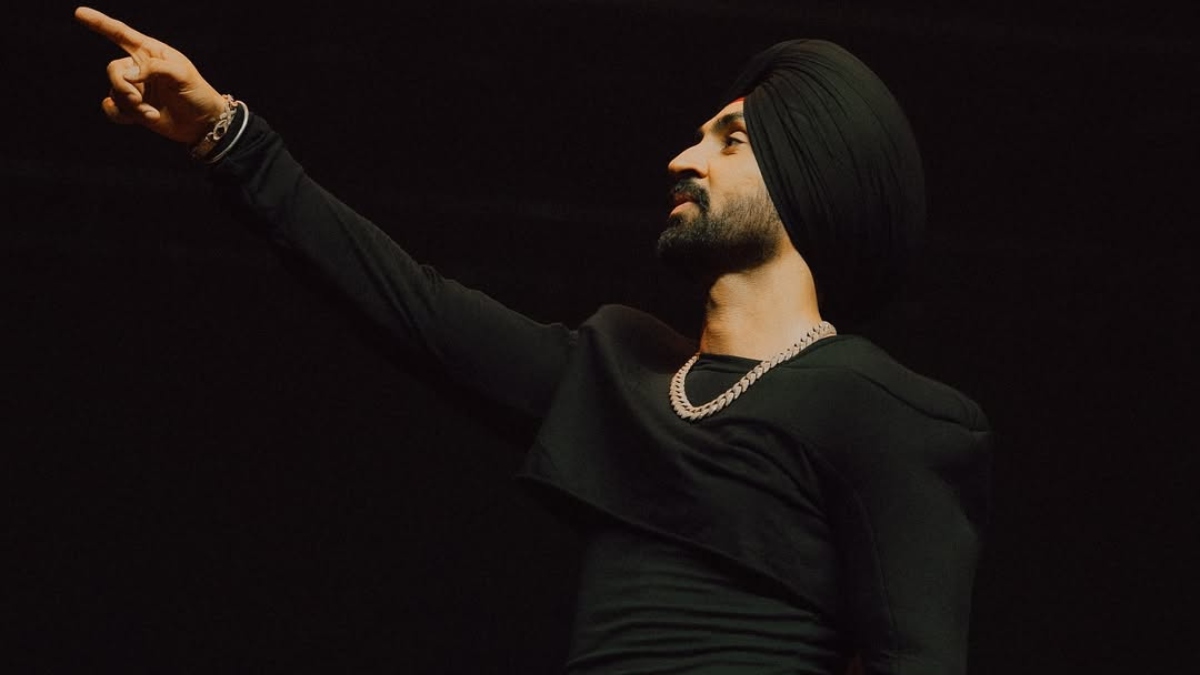
Punjabi heartthrob Diljit Dosanjh finally broke his silence over the controversy surrounding his upcoming film Sardaar Ji 3 at a music concert held in Malaysia. Rising to fame with his charismatic performances in movies and on stage, Diljit openly discussed his film—which is facing criticism for casting Pakistani starlet Hania Aamir and releasing at a time of heightened political sensitivity.
The Film’s Timeline Explained
The furor arose after the April 2025 bloodbath in Pahalgam, which resulted in the killings of 26 people, primarily tourists. Critics and members of the public began questioning the involvement of Pakistani actors in Indian films.
Diljit clarified that Sardaar Ji 3 was shot months before the attack occurred. He stated in Punjabi:
“When my film Sardaar Ji 3 was being shot in February, the matches were going to take place later.”
He emphasized that the movie was completed well before any of the events that caused controversy.
Diljit mentioned he could have responded to the criticisms earlier but chose not to, explaining that silence helped him avoid adding negativity to the public debate:
“I stayed silent, I kept everything in. Whoever tells you it, that’s poison: You shouldn’t take it into you.”
He believes in letting the facts speak for themselves rather than engaging in online conflicts.
Patriotism and Allegiance Questions
Another aspect of the controversy revolved around Diljit’s patriotism. Videos of him saluting the Indian national flag circulated on social media, sparking debates about his loyalty.
Diljit addressed these concerns with a simple yet firm statement:
“That’s my country’s flag. Always respect.”
He also referred to the India-Pakistan cricket matches, noting:
“There were matches when we shot it,”
indicating that his work was independent of external events.
His remarks were seen as a veiled response to accusations that he prioritized commercial interests over patriotic sentiments. The measured reply reaffirmed his respect for India while emphasizing the facts of film production.
Industry Backlash and Public Sentiment
The casting of Hania Aamir sparked significant debate. Industry bodies and members of the entertainment fraternity appealed that the film should not be released in India, fearing it could offend public sensibilities.
Several prominent figures expressed disappointment about artistic collaborations that did not consider broader socio-political issues. Celebrities in the music and film industries released statements emphasizing patriotism and moral responsibility. While some posts were ambiguous, they reflected public dissatisfaction with hiring a Pakistani actress amid heightened tensions.
Despite criticism, Sardaar Ji 3 has been a commercial success outside India. Its international box office performance demonstrates Diljit’s global appeal and the enduring popularity of the Sardaar Ji franchise. However, Indian theaters have been forbidden from screening the film, showcasing the complex interplay of politics, public opinion, and creativity.
Diljit’s Perspective on the Controversy
Diljit has taken a balanced stance during the controversy. He emphasized the timeline of the film’s production, asserting there was no intention to hurt national sentiment.
His choice to remain silent until now was a strategic decision to avoid escalating tensions. His public reaffirmation of love and respect for India also reassures fans and general observers of his patriotism.
Diljit’s humor and easygoing nature during the concert helped diffuse tension, often lightening the mood while conveying his key points. This approach allowed him to maintain his rapport with fans while addressing a sensitive issue.
The Wider Implications for the Film Industry
The Sardaar Ji 3 controversy highlights broader challenges in the Indian film industry:
- Navigating freedom of expression vs. public sensitivities
- Geopolitical considerations affecting casting, production, and release
- Balancing international collaboration with national sentiment
For actors like Diljit, who have large fan bases both in India and overseas, these challenges are amplified. Cross-border collaborations can enhance global appeal but also create scrutiny during periods of political tension. The situation illustrates the tightrope artists and producers must walk in today’s entertainment landscape.
Public Reactions
Most of Diljit’s fans have supported him, appreciating his honesty and transparency. Many stressed that the actor cannot control world events and that film production timelines should not be conflated with subsequent geopolitical incidents.
Netizens praised Diljit for addressing the controversy firmly yet gracefully, with messages of support trending online.
However, some criticism persists from those who believe artistic decisions should defer to national sentiment. The ongoing debate reflects a wider discussion in India about the intersection of art, politics, and patriotism.
Conclusion
Diljit Dosanjh’s response to the Sardaar Ji 3 controversy underscores the challenges faced by artists today. By clarifying the timeline of the film’s production and reaffirming his love for India, he navigated criticism without escalating hostilities.
The episode is a reminder that art does not exist in isolation—it interacts with society, politics, and public sentiment. Handling this interaction with care, awareness, and assertiveness is crucial, and Diljit has demonstrated these qualities throughout the controversy.
As debates around artists’ roles, nationalism, and cross-border collaborations continue, Diljit’s approach may serve as a case study for other filmmakers and actors navigating similar challenges.