From Film Sets to Political Frontlines: The Inspiring Journey of Mukesh Sahani
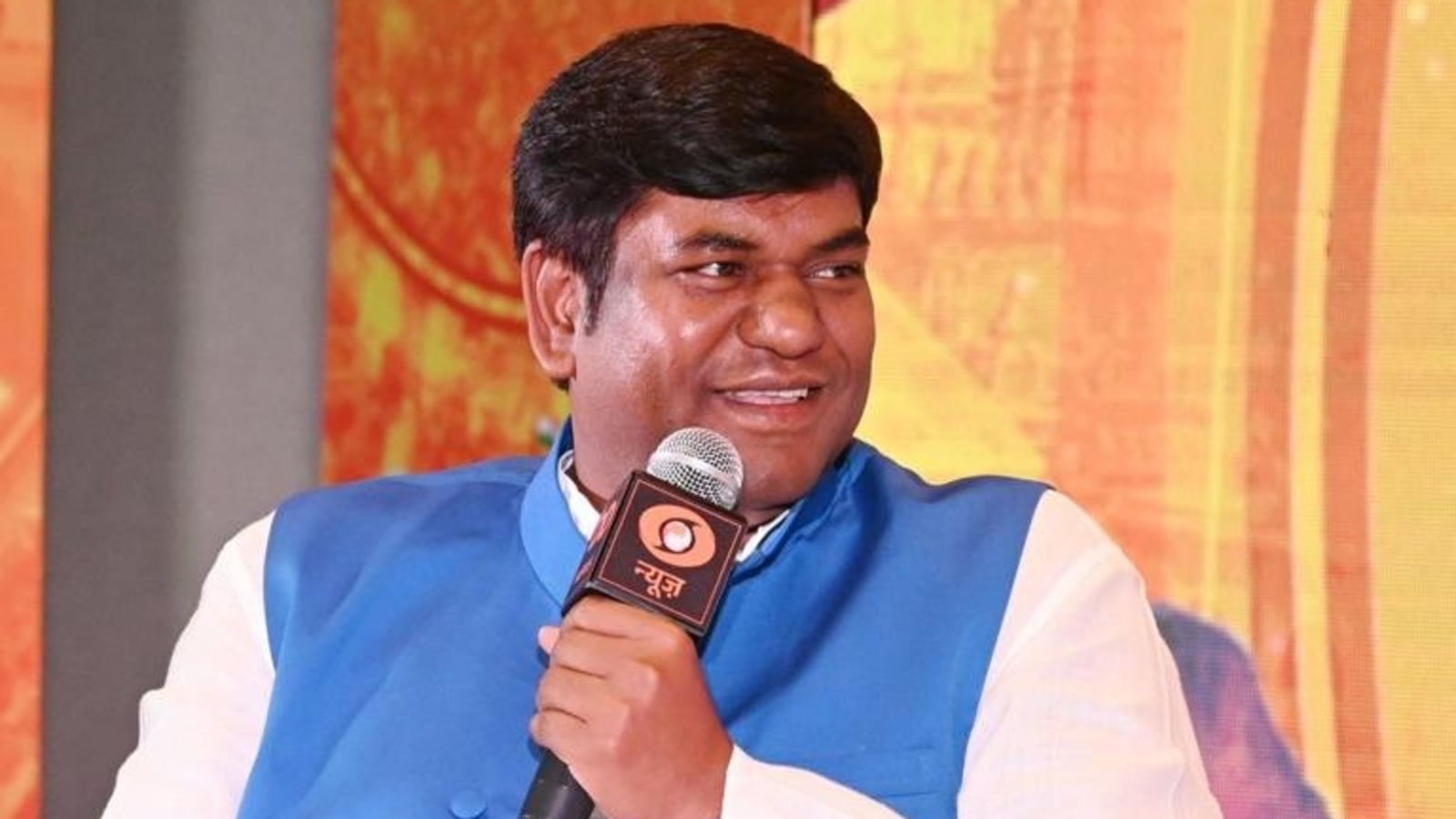
Mukesh Sahani’s story is the kind of tale Bollywood would love to tell — only this time, it’s real. Born into a humble fisherman’s family in Bihar, he went from cutting glass in Mumbai to designing sets for Bollywood superstars, and eventually returned home to shake up Bihar’s political landscape. Today, Sahani is more than just a politician — he’s a symbol of hope and empowerment for millions, especially those from the Nishad-Mallah community and other Extremely Backward Classes (EBCs).
His journey, marked by struggle, reinvention, and determination, is truly extraordinary.
Early Life: From Darbhanga to Big Dreams
Mukesh Sahani was born on March 31, 1981, in Darbhanga, Bihar. He grew up in a Mallah (boatmen) family — a community often overlooked in politics. Due to financial constraints, his formal education ended at the eighth grade. Yet, even then, his ambitions were larger than life.
At the age of 19, armed only with hope and determination, Sahani left for Mumbai. His goal was to find work, survive, and create a better future for himself.
Growing up in Darbhanga, Mukesh Sahani was exposed to the realities of rural life at an early age. His family, like many others in the Mallah community, depended on traditional occupations such as fishing and boating, which offered limited financial stability. Opportunities for education and upward mobility were scarce, and societal structures often made it difficult for individuals from marginalized communities to break free from inherited economic constraints. Yet, even within these limitations, Sahani nurtured a sense of ambition that set him apart. He observed the struggles around him not as barriers but as motivations to seek a better path.
What shaped his early mindset was not just hardship but also a deep understanding of inequality. Seeing his community’s lack of representation and access to resources planted the seeds of a larger vision in his mind. While he may not have had access to higher education, he developed practical intelligence, resilience, and a willingness to take risks—qualities that would later define his journey. His decision to leave for Mumbai at a young age was not just about finding work; it was a bold step toward redefining his identity and future.
Struggles in Mumbai: The Making of a Visionary
Life in Mumbai was tough. Sahani’s first job was as a salesman in a small cosmetics shop. Gradually, he learned how to work with glass and acrylic in workshops, discovering that his hands were not just skilled—they were creative.
Eventually, he entered Film City, starting as a junior set assistant. With hard work and talent, he began earning recognition in the film industry.
Mumbai, often called the city of dreams, can be both inspiring and unforgiving. For Sahani, the initial days were filled with uncertainty and hardship. Living in cramped conditions and working long hours for minimal pay, he experienced firsthand the challenges faced by migrant workers trying to establish themselves in a new city. However, these experiences also taught him valuable lessons about perseverance, adaptability, and the importance of learning new skills.
What distinguished Sahani during this phase was his ability to see opportunity in every challenge. Instead of limiting himself to routine work, he constantly sought to improve his craft. Learning glass and acrylic work was not just about earning a livelihood—it was a stepping stone into a more creative field. His curiosity and willingness to experiment allowed him to gradually transition from manual labor to artistic work, laying the foundation for his future success in the film industry.
Designing Bollywood’s Biggest Dreams
Sahani founded his own company, Mukesh Cineworld Private Limited. His work included sets for major Bollywood films such as:
- Devdas, starring Shah Rukh Khan
- Bajrangi Bhaijaan, featuring Salman Khan
He became known for his eye for detail, creativity, and authenticity, earning respect across the film industry despite his lack of formal education in design.
Entering the world of Bollywood was a turning point in Sahani’s life. Film sets require a unique blend of creativity, technical skill, and precision, and Sahani quickly proved his capabilities in all these areas. His ability to visualize concepts and translate them into physical structures made him stand out among his peers. Over time, he began to take on more significant responsibilities, eventually leading to the establishment of his own company.
Working on high-profile films not only brought him financial success but also exposure to a different world—one driven by imagination, storytelling, and large-scale production. He collaborated with some of the biggest names in the industry, gaining insights into professionalism, teamwork, and innovation. Despite his success, he remained grounded, never losing sight of his roots. This balance between ambition and humility became a defining characteristic of his journey.
A Turn Toward Social Change
Around 2010, Sahani founded the Sahani Samaj Kalyan Sanstha, a welfare organization for the Nishad community. Through cultural events, outreach programs, and initiatives, he sought to empower marginalized fishermen and boatmen in Bihar.
As Sahani’s career flourished, he began to reflect on the broader purpose of his success. Having experienced both poverty and prosperity, he understood the importance of giving back to his community. His decision to establish a welfare organization was driven by a desire to create opportunities for others who faced similar challenges. Through various initiatives, he aimed to provide education, employment, and social awareness, empowering individuals to improve their own lives.
This phase marked a shift in Sahani’s perspective—from personal achievement to collective progress. He realized that true success lies not just in individual growth but in uplifting others. His work at the grassroots level allowed him to connect with people from different backgrounds, understand their struggles, and identify areas where change was needed. This experience would later play a crucial role in shaping his political vision.
Entering Politics: Founding the Vikassheel Insaan Party
By 2013, Sahani realized that social work alone wasn’t enough—his community needed political representation.
In 2015, he launched the Nishad Vikas Sangh, which evolved into the Vikassheel Insaan Party (VIP) in 2018. The party aimed to provide dignity, opportunity, and power to backward communities, emphasizing that welfare alone was insufficient.
Sahani’s entry into politics was not driven by ambition alone but by a sense of responsibility. He recognized that social work, while impactful, had its limitations without policy-level support. Political representation was essential to bring about systemic change, and this realization led him to establish his own party. The Vikassheel Insaan Party was built on the idea that every individual, regardless of their background, deserves dignity and opportunity.
Building a political party from scratch is no easy task, especially in a landscape dominated by established players. Sahani faced skepticism, criticism, and numerous challenges along the way. However, his grassroots connect and understanding of local issues helped him gain support among communities that had long felt neglected. His approach emphasized inclusivity and development, resonating with people seeking alternatives to traditional political structures.
Rise in Bihar Politics: Ups and Downs
Sahani navigated a political landscape dominated by dynasties and upper-caste leadership. He built alliances, amplified his community’s voice, and in 2020, his party won four Assembly seats. Sahani became Minister for Animal Husbandry and Fisheries, a portfolio closely linked to the livelihood of the Mallah community.
Internal conflicts led to his removal in 2022, but he returned to grassroots work with renewed determination.
Sahani’s journey in politics has been marked by both achievements and setbacks. His ability to secure electoral victories and hold a ministerial position demonstrated his growing influence. However, the political landscape is often unpredictable, and challenges are an inherent part of the process. Internal conflicts and changing alliances tested his resilience, forcing him to adapt and reassess his strategies.
Despite these obstacles, Sahani remained committed to his goals. Instead of being discouraged by setbacks, he used them as opportunities to strengthen his connection with the जनता. Returning to grassroots work allowed him to rebuild trust and reaffirm his commitment to the people he represents. This ability to navigate both success and adversity highlights his determination and adaptability as a leader.
The Man of the Hour: Deputy CM Contender
For the 2025 Bihar Assembly elections, the Mahagathbandhan (Grand Alliance) named Mukesh Sahani as its Deputy Chief Ministerial face. This was a historic moment, placing a leader from the Mallah community at the forefront of Bihar politics.
It was both strategic and symbolic, sending a message about inclusion and empowerment for marginalized communities.
Being projected as a Deputy Chief Ministerial candidate marks a significant milestone in Sahani’s political journey. It reflects not only his personal growth but also the changing dynamics of Bihar’s राजनीति. For communities that have historically been underrepresented, his rise symbolizes hope and recognition. It sends a powerful message that leadership is not limited to a select few but can emerge from any background.
This moment also brings with it increased expectations and responsibilities. As a prominent face in the political arena, Sahani is expected to address complex issues and deliver tangible results. His ability to balance aspirations with practical governance will be crucial in shaping his future. Regardless of the outcome, his journey has already challenged traditional norms and opened doors for greater inclusivity in politics.
Why Mukesh Sahani’s Story Matters
Mukesh Sahani’s journey is more than personal success — it represents:
- Representation: A strong voice for the Nishad-Mallah and other backward communities
- Inspiration: Proof that determination can overcome barriers, even without formal education
- Transformation: A fresh perspective for Bihar politics, rooted in real-life struggles
His story proves that leadership often emerges from perseverance and empathy rather than privilege or lineage.
What’s Next?
As Bihar’s political landscape evolves, all eyes remain on Mukesh Sahani. Whether he becomes Deputy Chief Minister or not, his influence is undeniable. From a glass cutter in Mumbai to Bollywood set designer and political trailblazer, his journey is still unfolding — and promises even more transformative chapters ahead.