Sholay Re-Release: Original Climax of Dharmendra-Amitabh Bachchan’s Cult Classic Revealed; Why Was it Changed?
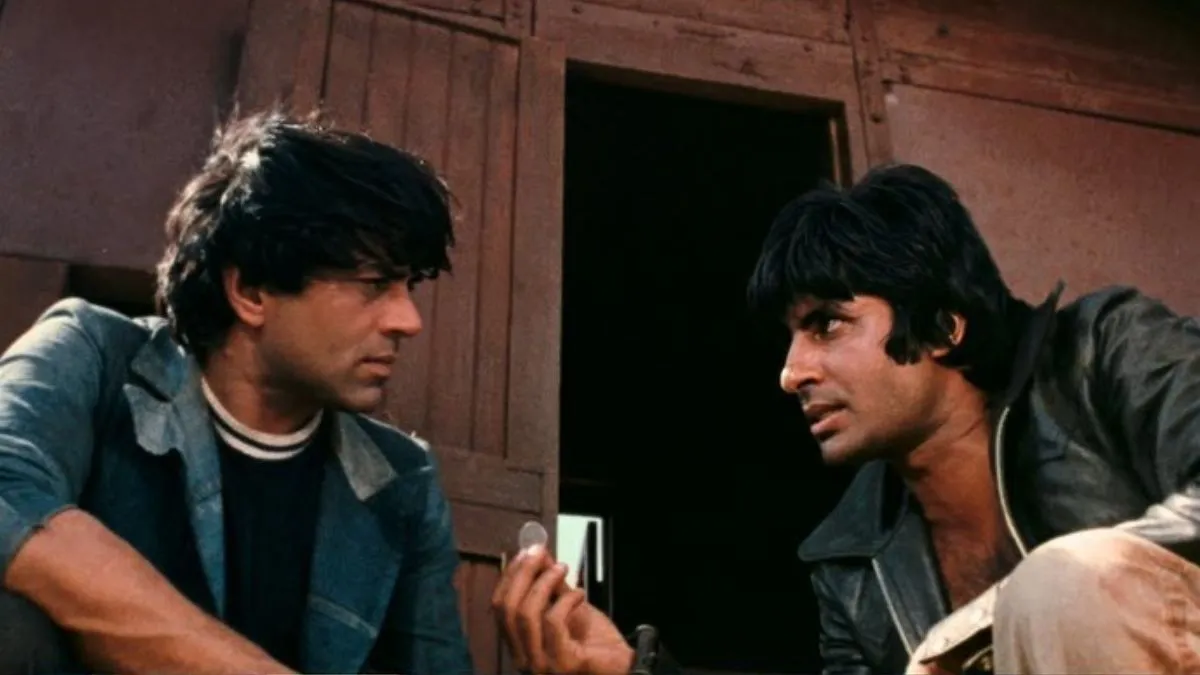
Few films in Indian cinema have achieved the iconic status held by Sholay—a timeless masterpiece that has entertained generations since its release in 1975. Directed by Ramesh Sippy and featuring an unforgettable cast including Amitabh Bachchan, Dharmendra, Hema Malini, Sanjeev Kumar, Amjad Khan, and Jaya Bachchan, Sholay wasn’t just a film—it became a phenomenon. As the film gears up for its grand re-release, excitement is high not only among older fans but also among younger audiences eager to experience the magic on the big screen for the first time.
However, the re-release has also reignited discussions about one of the most talked-about changes in Indian film history—the alteration of the film’s original climax. For decades, fans have wondered about the original ending of Sholay, why it was altered, and what impact it had on the film’s legacy. As archival footage and insider stories now surface with the re-release, the truth about the original climax is finally being revealed.
The Original Climax: A Darker End
The original ending of Sholay was far more intense and violent than the version audiences came to know. In the filmmaker’s first vision:
- Thakur Baldev Singh (played by Sanjeev Kumar) kills Gabbar Singh (Amjad Khan) with his bare hands.
- The confrontation is emotionally charged and physically brutal.
- There is no police intervention—just raw retribution.
- The scene offers a morally complex ending that emphasizes deep loss and justice.
This ending was meant to reflect the raw emotions of a man who had lost his entire family and been denied justice. It was a powerful cinematic statement that stayed true to the revenge-driven narrative of the film.
What made the original climax even more compelling was the emotional build-up that led to Thakur’s act of revenge. Throughout the film, viewers witness his pain, helplessness, and burning desire for justice after Gabbar Singh brutally murders his family and severs his arms. The climax was designed to be the ultimate emotional release—not just for Thakur, but for the audience who had followed his suffering. The brutality of him killing Gabbar with spiked shoes was not just violence; it symbolized years of suppressed anger, humiliation, and grief finally erupting. It was a deeply human moment, showing how extreme trauma can push even the most principled individual to abandon moral boundaries.
Additionally, the darker ending aligned more closely with Western films, particularly the “spaghetti western” genre that inspired Sholay. In those films, justice was often personal, raw, and not bound by legal systems. By allowing Thakur to take revenge into his own hands, the film originally leaned into that gritty storytelling style, making it bold and unconventional for Indian cinema of that time. Had it been retained, Sholay might have been remembered as an even more daring cinematic experiment, challenging traditional storytelling norms in Bollywood.
Why Was the Original Ending Changed?
The Central Board of Film Certification (CBFC) strongly objected to the violent nature of the original climax.
Context:
- India had recently emerged from the Emergency era—a time of political censorship and heightened sensitivity.
- The CBFC felt that a revenge-driven ending, where the hero kills the villain, sent the wrong message at a time when the government was emphasizing law and order.
Solution:
- Director Ramesh Sippy was asked to re-shoot the ending.
- In the revised climax:
- Thakur defeats Gabbar but hands him over to the police.
- The film ends with a clear message: justice must be upheld through legal means.
The decision to change the climax was not just a creative adjustment—it was deeply rooted in the socio-political environment of India during the mid-1970s. The Emergency period had made authorities particularly cautious about the kind of content being presented to the public. Cinema, being one of the most influential mediums, was closely monitored to ensure it did not promote ideas that could be seen as anti-establishment or encourage lawlessness. A revenge-driven ending, where a respected character like Thakur kills the villain outside the legal framework, was considered potentially dangerous messaging.
Furthermore, the CBFC’s concern was not only about violence but also about the symbolism attached to it. Thakur was a former police officer—a figure representing law and order. Allowing him to commit an act of brutal revenge could have been interpreted as undermining the justice system. The authorities believed that such a portrayal might send a message that personal vengeance is justified, which could have broader societal implications. This context played a crucial role in shaping the decision to alter the ending, ultimately leading to a version that aligned more closely with the government’s narrative of maintaining order and discipline.
The Impact of the Change
Despite the modification:
- The film retained its emotional power.
- The revised ending likely allowed the movie to be released without delays or bans.
- Curiosity about the original ending persisted over the decades.
For years, fans traded rumors and speculation until rare footage began circulating in film archives. Now, with the re-release, sneak peeks of the original end are being shown during special screenings and documentaries, adding a fresh layer of excitement to Sholay’s timeless legacy.
Interestingly, the altered ending may have contributed to Sholay’s widespread acceptance among diverse audiences. By reinforcing the idea that justice should be delivered through the system, the film maintained a moral balance that resonated with family audiences. This broader appeal played a significant role in the film’s long theatrical run, helping it become one of the highest-grossing films of its time. While the original ending might have been artistically stronger, the revised version ensured that the film could reach every segment of society without controversy.
At the same time, the mystery surrounding the original climax added to the film’s legend. For decades, film enthusiasts and critics speculated about what the original ending looked like and how it might have changed the narrative’s impact. This curiosity kept the conversation around Sholay alive, even years after its release. The existence of an alternate ending turned the film into more than just a cinematic experience—it became a topic of discussion, debate, and fascination across generations.
Filmmaker’s Vision vs. Censorship
Ramesh Sippy, the director, has often expressed regret over having to alter the ending.
- The original climax was closer to his creative vision and emotional intent.
- He believed it would have provided a more powerful resolution to Thakur’s journey.
- Still, Sippy acknowledges the revised ending might have saved the film from censorship issues and enabled it to reach audiences.
The clash between Ramesh Sippy’s vision and censorship reflects a larger issue that filmmakers have faced for decades—the struggle between artistic expression and regulatory control. For Sippy, the original ending was not merely about shock value; it was about staying true to the emotional journey of his characters. Changing the climax meant altering the essence of Thakur’s arc, shifting it from personal revenge to institutional justice. While the revised ending was effective, it inevitably diluted the raw intensity that the original vision carried.
However, Sippy’s ability to adapt also demonstrates the resilience of filmmakers in navigating such challenges. Instead of letting censorship hinder the film’s release, he reworked the narrative in a way that still retained its emotional core. This balance between compromise and creativity is what allowed Sholay to become a masterpiece despite limitations. It also highlights how great storytelling can transcend constraints, finding ways to connect with audiences even when the original vision is altered.
The Legacy of Sholay
From unforgettable dialogues to iconic characters, Sholay has left a deep impact on Indian pop culture:
Iconic Dialogues:
- “Kitne aadmi the?”
- “Basanti, in kutton ke samne mat nachna.”
Timeless Elements:
- Jai (Amitabh Bachchan) and Veeru’s (Dharmendra) friendship
- Gabbar Singh’s chilling villainy
- Ramgarh’s scenic visuals and haunting music
Sholay‘s re-release is a chance to revisit a cinematic milestone, with audiences experiencing both nostalgia and discovery.
Beyond its storyline, Sholay revolutionized Indian cinema in multiple ways. It introduced a new scale of filmmaking, with grand sets, innovative camera work, and a background score that enhanced every scene. The film’s characters became cultural icons, each with distinct personalities that audiences could relate to or fear. Gabbar Singh, in particular, redefined the portrayal of villains in Bollywood, setting a benchmark that few have matched since.
The film also influenced future generations of filmmakers, inspiring countless movies that attempted to replicate its formula of action, emotion, and drama. From its dialogues to its music, Sholay became deeply embedded in popular culture. Even today, references to the film are instantly recognized, proving its timeless appeal. The re-release is not just a nostalgic trip—it is a reminder of how a single film can shape an entire industry.
Looking Forward: A New Appreciation
As Sholay returns to theaters:
- Modern audiences are likely to reflect more deeply on themes of censorship, creative freedom, and social influence in cinema.
- The original climax reminds us how artistic visions often clash with political pressures.
- The re-release provides a platform to honor the cast, music, cinematography, and direction that shaped a generation.
Final Thoughts
The resurfacing of the original ending has stirred nostalgia and sparked fresh discussions. While the ending might have been changed, Sholay’s legacy remains untouched—bigger, brighter, and more relevant than ever before.
As fans flock to theaters once again, Sholay continues to prove why it is one of the greatest films in Indian cinema history.