Sunny Deol Lashes Out at Media Over False Reports on Dharmendra’s Health: “Aapke Ghar Mein Maa Baap Nahi Hai?” [Viral Video]
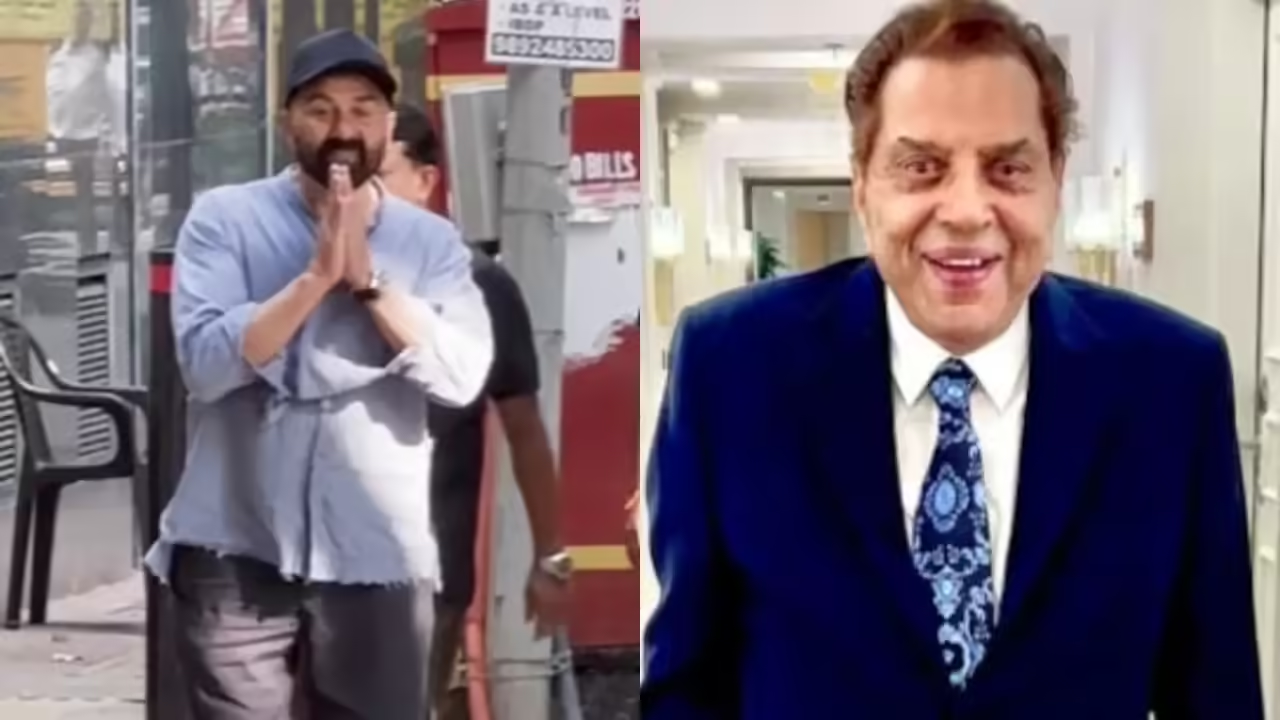
Bollywood actor and Member of Parliament Sunny Deol is making headlines once again — but this time, not for his film or political ventures. The veteran star recently lashed out at sections of the media for spreading what he called “false and insensitive” reports about his father, the legendary actor Dharmendra’s health.
A video of the outburst has gone viral, sparking a national debate about media ethics, privacy, and respect for ageing film icons.
The Incident: Sunny Deol’s Anger Caught on Camera
The confrontation took place when Sunny Deol was approached by reporters outside a public event. Journalists began questioning him about his father’s health following several speculative online reports claiming that the 88-year-old Dharmendra had been hospitalized and was in a serious condition.
Visibly frustrated, Sunny lost his cool and reprimanded the reporters, saying:
“Aap log jhoot likhte ho. Aapke ghar mein maa baap nahi hai kya?”
(“You people write lies. Don’t you have parents at home?”)
The video shows a rare moment of raw emotion from Sunny, who accused sections of the media of spreading baseless rumors for clicks and views. His outburst quickly gained traction online, resonating with fans and colleagues who sympathized with his frustration over irresponsible reporting.
What made the moment even more striking was how rare it is to see Sunny Deol express such visible frustration in public. Known for his calm demeanor and composed personality, Sunny has generally avoided direct confrontations with the media. Over the years, he has maintained a low profile outside of his professional commitments, choosing to let his work speak rather than engaging in public debates. This sudden shift—from composed silence to emotional confrontation—highlighted just how deeply the situation had affected him.
Observers also pointed out that Sunny’s reaction did not come across as aggression for the sake of attention, but rather as a spontaneous emotional response. His words reflected concern not just as a public figure, but as a son worried about his father’s dignity and peace. In that moment, the boundary between celebrity and family member disappeared, revealing a side of Sunny that audiences rarely get to see—protective, vulnerable, and deeply connected to his roots.
The Background: How Dharmendra’s Health Rumors Spread
In the days leading up to the incident, several gossip portals and social media pages began circulating claims that Dharmendra had been hospitalized due to declining health.
These unverified reports caused panic among fans, who flooded social media with messages praying for the veteran actor’s recovery. Soon after, reliable sources close to the Deol family clarified that Dharmendra was perfectly fine and resting at home.
The false reports, however, had already caused distress within the family and unnecessary anxiety among admirers. For a man known for fiercely guarding his family’s privacy, Sunny’s emotional reaction was understandable — it reflected both anger and exhaustion over repeated media intrusion.
The spread of these rumors also exposes how quickly misinformation can travel in today’s digital ecosystem. In the age of instant updates and viral content, even unverified information can gain credibility simply by being shared repeatedly. A single misleading post can snowball into a widespread narrative, leaving families to deal with the consequences long after the truth is clarified.
In Dharmendra’s case, the rumors not only caused emotional distress but also overshadowed the actor’s otherwise stable and peaceful lifestyle. For someone who has spent decades earning respect and admiration, such speculative reporting can feel like an intrusion into personal dignity. It also highlights a growing concern about how easily senior public figures become targets of sensationalized health stories, often without regard for accuracy or impact.
The Viral Video: A Moment of Unfiltered Emotion
The viral clip shows Sunny Deol surrounded by reporters repeatedly asking about his father’s condition. Initially composed, Sunny’s patience quickly wears thin.
“You people should be ashamed,” he says firmly. “My father is fine. Don’t spread such lies. Think about how it feels when you hear something like this about your own parents.”
His tone — a mix of pain, frustration, and helplessness — struck a deep chord with audiences. Within hours, the video spread across platforms like Instagram and X (formerly Twitter), with thousands of fans sharing it alongside messages of support.
Another reason the video resonated so strongly is because it felt real and unscripted. In an industry where public appearances are often carefully managed, this moment stood out for its authenticity. Sunny Deol was not delivering a prepared statement or speaking through a spokesperson—he was reacting instinctively, speaking from the heart.
This authenticity is what made the clip relatable to millions of viewers. Many people saw in Sunny’s reaction a reflection of their own feelings—how they would respond if false information about their loved ones were spread publicly. The video became more than just a celebrity moment; it turned into a shared human experience, reminding audiences that emotions do not discriminate between ordinary individuals and public figures.
Fans and Industry Support: Standing With Sunny
Public reaction overwhelmingly sided with Sunny Deol. Many users called his outburst a necessary wake-up call for the media.
- “Sunny Deol said what every celebrity wants to say but can’t,” wrote one user.
- Another commented, “He’s absolutely right. The way some outlets spread rumors for views is shameful.”
Sunny’s younger brother Bobby Deol also supported him, clarifying that their father was in good health. Several Bollywood personalities echoed the sentiment, emphasizing that celebrities deserve empathy and privacy, especially concerning family health matters.
The widespread support for Sunny Deol also reflects a broader shift in public perception. Audiences today are increasingly critical of sensationalist reporting and more empathetic toward celebrities’ personal boundaries. Social media, while often a source of misinformation, has also become a platform where fans can voice support and hold media outlets accountable.
Media Ethics Under the Microscope
This controversy has reignited an important debate about the ethics of entertainment journalism in India. The pressure to break stories first — often without fact-checking — has resulted in numerous cases of misinformation and invasion of privacy.
Media analyst Ramesh Menon commented, “In the pursuit of breaking news, journalists often forget the human cost involved. When it comes to health, death, or family matters, the rules of sensitivity must apply more strictly than ever.”
He added, “Sunny Deol’s reaction reflects the frustration of public figures who constantly feel misrepresented. This should be a wake-up call for the industry.”
The incident has also reignited discussions about the responsibility that comes with access to information. Journalism, especially in the entertainment sector, often walks a fine line between reporting and sensationalism. While audiences demand quick updates, the pressure to deliver can sometimes lead to compromised standards.
The Deol Family: A Legacy Built on Dignity
The Deol family — Dharmendra, Sunny, Bobby, and the next generation of Karan and Rajveer — has long been known for maintaining dignity and distance from gossip-driven publicity.
Dharmendra, one of the most beloved stars of Indian cinema, continues to stay active and occasionally shares heartfelt posts with fans. After the incident, he reportedly reassured admirers that he was fine, thanking them for their love and concern.
His response brought relief to millions, proving once again why he remains one of the most respected figures in the industry.
The Deol family’s response to the situation further reinforces their longstanding reputation for grace and restraint. Despite being one of Bollywood’s most prominent families, they have consistently chosen to stay away from unnecessary publicity. Their focus has remained on work, family values, and maintaining a sense of normalcy amidst fame.
A Larger Conversation: Respect and Responsibility
While Sunny Deol’s angry reaction surprised some, it has also opened up a necessary conversation about compassion and accountability in the media.
Celebrities live under constant scrutiny, but few people consider the emotional strain that comes with seeing false stories about one’s elderly parents or loved ones. For a deeply private person like Sunny, hearing such rumors about his 88-year-old father was deeply upsetting — and his reaction humanized him in the eyes of many.
Media professionals are now being urged to rethink their approach, balancing public interest with empathy and responsibility. The incident serves as a stark reminder that truth and sensitivity must come before sensationalism.
Beyond the immediate controversy, the incident has sparked a larger conversation about the relationship between celebrities and the media. While public figures are accustomed to scrutiny, there is an increasing recognition that certain aspects of their lives—particularly those involving health and family—should remain private.
This shift in perspective is important not just for celebrities, but for society as a whole. Respecting boundaries, verifying information, and prioritizing empathy are values that extend beyond journalism. They are essential for building a culture where information is shared responsibly and human dignity is preserved.
Conclusion: A Lesson in Empathy
Sunny Deol’s emotional outburst — marked by the now-famous line, “Aapke ghar mein maa baap nahi hai?” — has transcended headlines. It is more than just a viral clip; it’s a heartfelt plea for empathy in a world where the race for views often overshadows humanity.
Celebrities like Dharmendra aren’t just public figures; they are fathers, husbands, and elders who deserve respect. As the dust settles, Sunny’s words should remind everyone — from reporters to readers — to think and feel like humans first before spreading or consuming such stories.
His words, though spoken in frustration, carry a deeper message. They urge everyone—journalists, content creators, and audiences alike—to pause and consider the human impact of what they share and consume. Celebrities may live in the public eye, but their emotions, relationships, and dignity are no less real.
As conversations around media ethics continue, this incident will likely be remembered as a turning point—a moment that encouraged introspection and highlighted the need for a more compassionate approach to storytelling. Ultimately, Sunny Deol’s reaction reminds us that beyond the headlines and the hype, humanity must always come first.