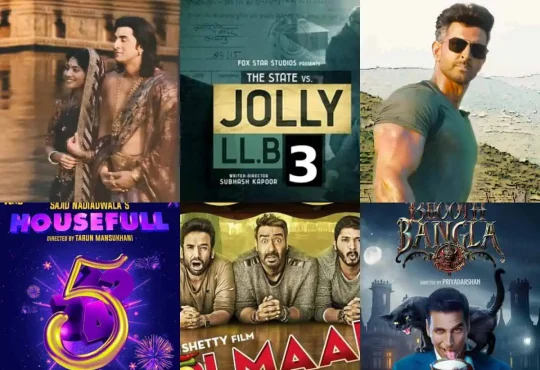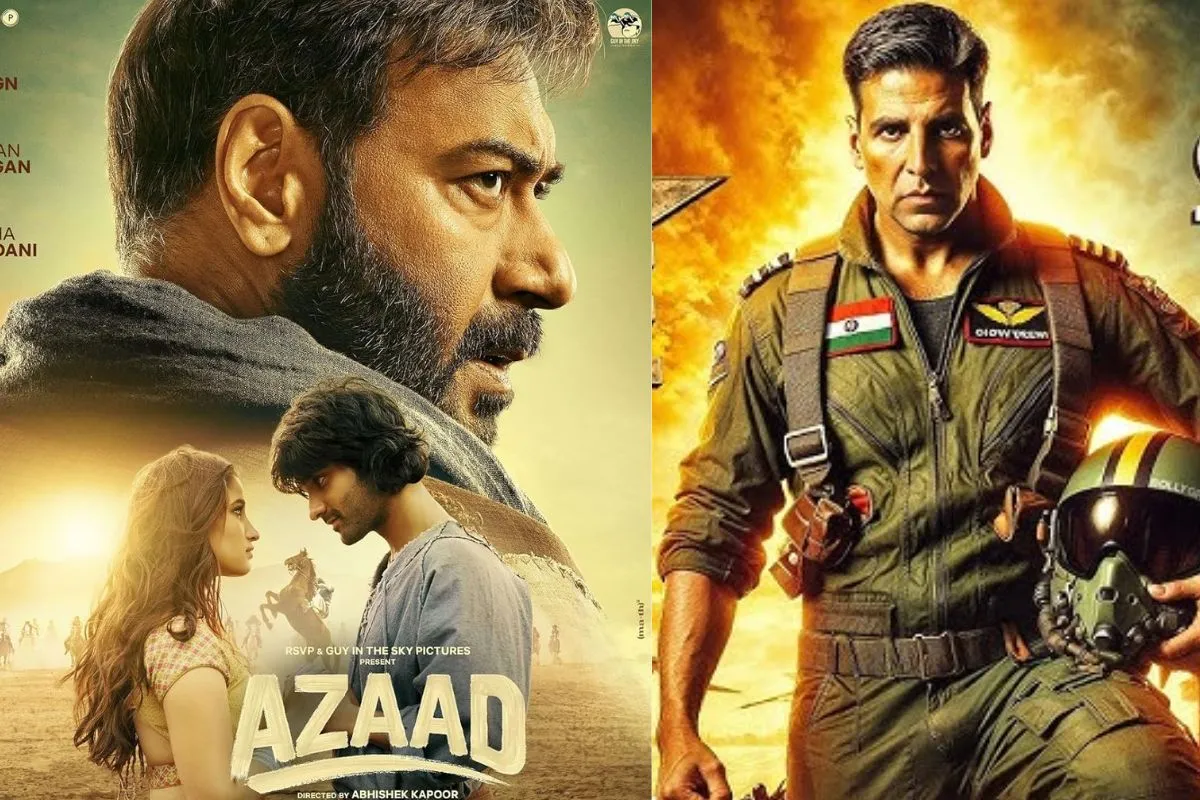
Bollywood, the beating heart of Indian entertainment, is undergoing a dramatic transformation as 2025 unfolds. Once celebrated for its grand storytelling, colorful song-and-dance numbers, and superstar-driven blockbusters, the Hindi film industry is now shifting gears.
New stories, global ambitions, and advanced technology are redefining the way films are made and consumed. The post-pandemic years have reshaped both audience preferences and creative strategies, forcing filmmakers to rethink what truly makes a movie successful today.
As we step into 2025, Indian cinema stands on the edge of an exciting new era — one that blends its rich traditions with cutting-edge innovation.
The Shift from Star Power to Story Power
For decades, Bollywood’s magic rested on its superstars. The charm of Shah Rukh Khan, Salman Khan, Akshay Kumar, and Aamir Khan could fill theatres effortlessly.
But times have changed. Audiences now seek authenticity, originality, and emotional truth. Films like 12th Fail, Laapataa Ladies, and Article 370 have proven that powerful storytelling can triumph over high-budget spectacle.
In 2025, this movement continues to gain momentum. Production houses are betting big on relatable, grounded stories — from social dramas and psychological thrillers to heartfelt romances rooted in real experiences.
Streaming platforms have also opened doors for new talent, giving voice to fresh writers and directors with unique perspectives. The message is clear: great stories now outshine big names.
Another interesting change emerging in 2025 is the growing trust in ensemble casts rather than single-hero narratives. Filmmakers are increasingly focusing on scripts where multiple characters carry the story, allowing for deeper emotional engagement. This approach has made films feel more realistic and layered, giving audiences characters they can relate to instead of larger-than-life personas.
Casting choices have also become more experimental. Directors are no longer hesitant to cast relatively new faces in challenging roles, often prioritizing suitability over popularity. This has created opportunities for talented actors from theatre, television, and independent cinema to step into mainstream Bollywood, enriching the overall performance quality.
Moreover, audiences today are highly informed and exposed to global content. With easy access to international films and series, viewers now compare narratives across cultures. This has pushed Bollywood to elevate its storytelling standards, focusing on originality rather than formulaic repetition.
Rise of the OTT–Bollywood Hybrid
When theatres shut during the pandemic, OTT platforms became Bollywood’s savior. What started as a necessity has now evolved into a creative alliance.
In 2025, the hybrid release model is thriving — with films premiering in cinemas and soon after streaming online for global audiences. Titles like Dunki 2 and Pushpa: The Rule are expected to dominate both big screens and digital charts, proving that dual-release strategies can amplify success.
Web series spin-offs of iconic Bollywood films are also in development, allowing beloved characters to live on beyond the movies.
OTT platforms have become breeding grounds for bold experimentation, helping directors explore unconventional narratives. This partnership has sparked a creative renaissance that merges mainstream glamour with artistic freedom.
The hybrid model has also led to the emergence of flexible storytelling formats. Filmmakers now design projects with both theatrical and digital audiences in mind, ensuring that the narrative works equally well on a large screen and a personal device. This dual approach has influenced everything from cinematography to pacing.
Another major development is the growing importance of data analytics in OTT platforms. Streaming services study viewer preferences, watch time, and engagement patterns to guide content creation. This data-driven approach allows filmmakers to understand audience behavior more precisely, leading to content that feels more targeted and relevant.
OTT has also encouraged niche storytelling. Genres that were once considered risky for theatres — such as slow-burn dramas, psychological thrillers, or dark comedies — are finding strong audiences online. This diversity is expanding Bollywood’s creative boundaries and encouraging experimentation.
Globalization of Indian Cinema
Bollywood’s global influence has never been stronger. In 2025, Indian filmmakers are joining hands with international studios, blending Indian storytelling traditions with global filmmaking finesse.
The success of Indian-origin directors like Ritesh Batra (The Lunchbox), Nitesh Tiwari (Dangal), and Zoya Akhtar (The Archies) has inspired others to tell cross-cultural stories.
The worldwide triumph of RRR, Pathaan, and Jawan has proven that Indian cinema can resonate universally without losing its soul.
As multiple co-productions take shape and Indian actors enter global franchises, it’s clear that Bollywood is not just representing India—it’s representing culture on a global stage.
International collaborations are not limited to casting or production anymore — they now extend to storytelling techniques and creative vision. Writers’ rooms often include professionals from different countries, bringing diverse perspectives to the narrative. This cross-cultural exchange is helping Bollywood craft stories that appeal universally while retaining an Indian core.
Film festivals have become key platforms for showcasing Indian cinema. Independent films, in particular, are gaining recognition at global events, highlighting the depth and diversity of storytelling beyond mainstream Bollywood. This exposure is opening doors for Indian filmmakers to access international funding and distribution networks.
The diaspora audience continues to play a significant role in Bollywood’s global reach. With millions of Indians living abroad, there is a strong demand for content that connects them to their roots. This has encouraged filmmakers to create stories that resonate both locally and globally.
Technological Transformation: AI, VFX, and Virtual Production
Technology is rewriting the Bollywood playbook. From pre-production to marketing, advanced VFX, artificial intelligence, and virtual production are changing how stories are told.
What was once limited to Hollywood is now an everyday reality in Mumbai’s studios. In 2025, AI assists with everything from script analysis to casting decisions and even dialogue polishing. Virtual production studios in Mumbai and Hyderabad have cut filming time drastically while boosting creativity.
Audiences can expect more immersive cinematic experiences — interactive storylines, AR-based promotions, and rich 3D soundscapes. As technology becomes more affordable, the future of Bollywood looks more visually and emotionally captivating than ever.
The use of artificial intelligence in filmmaking is expanding rapidly. Beyond script analysis, AI is now being used for audience prediction, helping producers understand which stories are likely to succeed. This reduces financial risks and allows for more strategic decision-making.
Virtual production, which uses LED screens and real-time rendering, is revolutionizing how films are shot. This technology enables filmmakers to create complex environments without leaving the studio, saving time and resources while enhancing visual quality.
Post-production has also seen significant advancements. Editing software powered by AI can now suggest cuts, enhance visuals, and even generate realistic visual effects. This has made the filmmaking process faster and more efficient.
The Return of Music and Dance in a New Avatar
Bollywood’s soul has always been its music. While the streaming age briefly reduced the emphasis on grand soundtracks, 2025 marks a revival of the musical era.
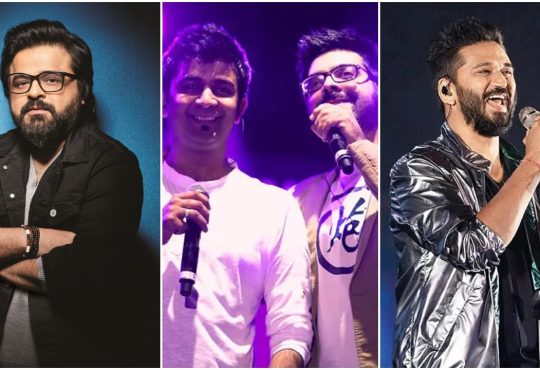
Composers like Pritam, Amit Trivedi, and Vishal–Shekhar are blending Indian classical melodies with global sounds, creating music that speaks to every generation. Independent musicians are collaborating directly with filmmakers, producing experimental, cross-genre albums.
Dance, too, is evolving. Instead of just spectacle, choreography now tells emotional stories. The comeback of music-driven cinema proves that Bollywood’s rhythm is alive and evolving.
Stronger Female Voices and Gender-Positive Narratives
One of Bollywood’s most powerful shifts is happening behind the scenes. In 2025, more women than ever are steering major productions—both as actors and creators.
Stars like Alia Bhatt, Deepika Padukone, and Taapsee Pannu are producing their own films, focusing on layered, authentic female stories. Movies like Gangubai Kathiawadi and Darlings paved the way, and newer releases continue to challenge outdated stereotypes.
Beyond acting, women are excelling as writers, cinematographers, editors, and producers. The result? A cinema that reflects real, multidimensional female perspectives.
Revival of Regional-Influenced Cinema
Bollywood’s renewed connection with regional cinema is one of the most refreshing trends of 2025. The lines between Hindi and regional industries are fading as pan-India films dominate.
Inspired by the success of Southern blockbusters, Bollywood filmmakers are adopting regional storytelling styles, collaborating across languages, and creating multilingual releases.
This fusion has enriched Hindi cinema, introducing audiences to new voices, dialects, and cultural flavors. Indian cinema, as a whole, is becoming more united and diverse than ever.
Box Office Revival and the Theatrical Experience
After a few unpredictable years, 2025 brings a strong rebound for theatres. The magic of watching a film on the big screen—with shared laughter, suspense, and applause—remains unmatched.
Multiplexes and single screens are adapting with luxurious experiences, cutting-edge sound systems, and curated screenings. While OTT continues to thrive, box office numbers for recent hits confirm that theatre culture is here to stay.
Big-event films, especially emotional dramas and action spectacles, are once again pulling crowds, proving that cinema’s communal spirit is irreplaceable.
The Road Ahead: A Balance of Art and Commerce
As Bollywood journeys through 2025, the future lies in harmony—balancing entertainment with meaning, local identity with global relevance, and innovation with heritage.
The industry’s strength has always been its adaptability. With fresh talent emerging, technology advancing, and audiences evolving, Indian cinema is entering a creative golden age.
Bollywood isn’t just reinventing itself—it’s redefining what it means to tell stories in a connected, curious, and ever-changing world. The next chapter of Indian cinema is not about where it’s been, but where it’s headed. And, as always, the world will be watching.