By [Author Name], Culture Correspondent
In the heart of Northeast India lies Assam — a land where rhythm, melody, and movement flow like the mighty Brahmaputra. Over the years, Assamese girls have become the driving force behind preserving and reinventing the state’s vibrant cultural heritage. From classical dance to fusion music, from the joyful beats of Bihu to contemporary performances, these talented women are shaping a fresh cultural identity that bridges tradition and modernity.
The Rhythm of Heritage
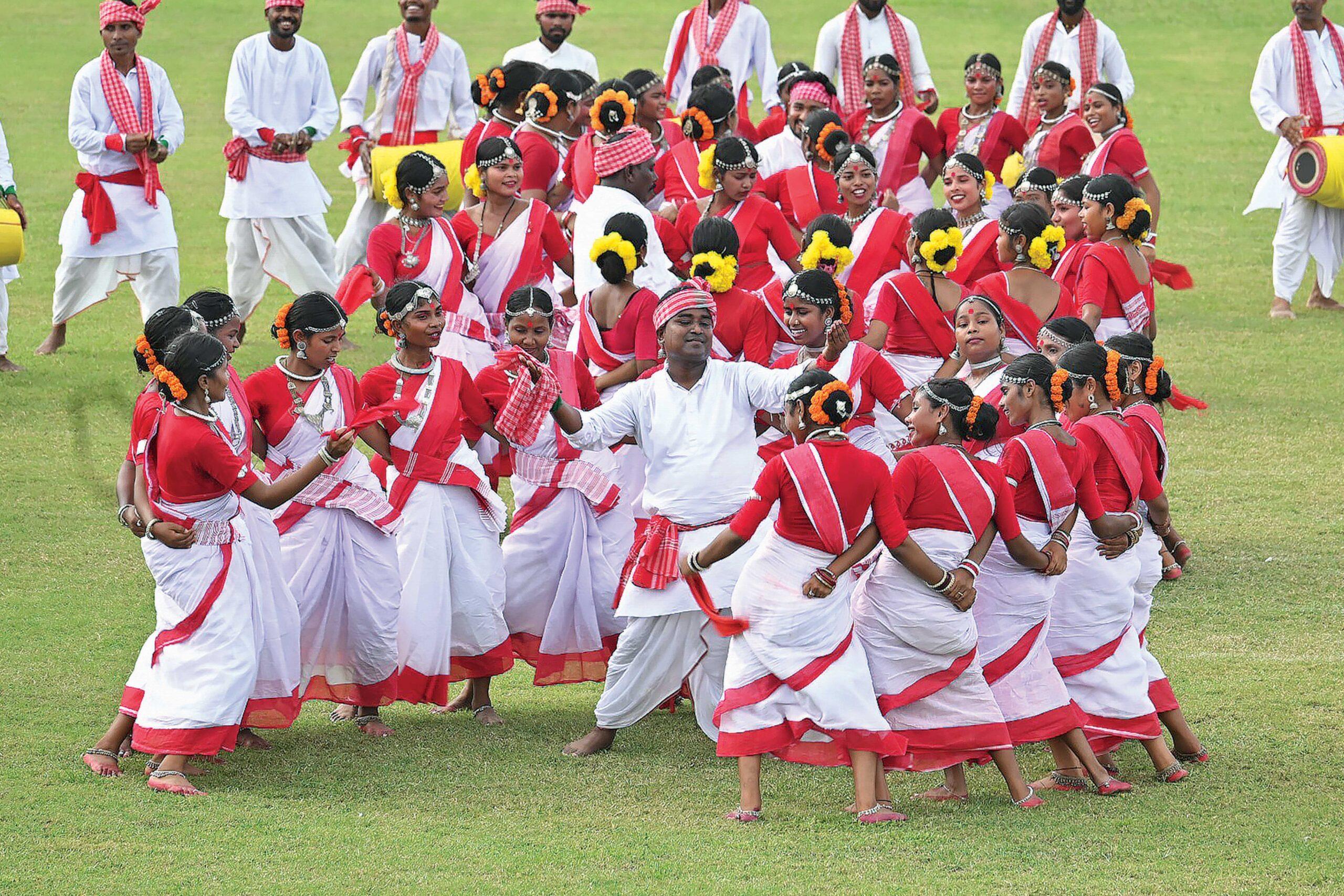
Assam’s cultural landscape has always been deeply rooted in music and dance — art forms that mirror life, spirituality, and togetherness. Among them, the Bihu dance stands tall as a true symbol of Assamese pride. Traditionally performed during Rongali Bihu, this dance celebrates fertility, nature, and love.
Today, young Assamese women continue to keep this legacy alive. Performers like Pallabi Gogoi, Sangita Das, and Rupali Nath have taken Bihu from local stages to international platforms. Through their talent and passion, they’ve shown how this traditional rhythm connects hearts across cultures.
Many of these artists are not limited to Bihu alone. They’re also trained in Sattriya, one of India’s eight classical dance forms, which originated in the Vaishnav monasteries of Assam — a graceful blend of spirituality and artistry.
The cultural rhythm of Assam is also deeply connected to everyday life, and Assamese girls play a vital role in keeping this connection alive. From village celebrations to urban cultural programs, their performances reflect a seamless blend of tradition and personal expression.
These art forms are often passed down through generations, creating a strong sense of continuity. Young performers learn not just the techniques but also the stories and meanings behind each movement and song.
In recent years, there has been a renewed interest in traditional performances among urban youth. Assamese girls are leading this revival by presenting these art forms in ways that appeal to modern audiences.
Their ability to adapt while preserving authenticity ensures that these traditions remain vibrant and relevant.
The Grace of Sattriya: A Legacy Reimagined
The story of Sattriya dance traces back to the 15th-century saint and reformer Srimanta Sankardeva, who created it as a devotional art form. Initially performed only by male monks in Satras (monasteries), it was later embraced and transformed by women who took it beyond the temple walls.
Dancers such as Anwesa Mahanta, Mallika Kandali, and Madhurima Baruah have redefined this tradition. Performing on global stages and mentoring younger generations, they have given Sattriya new life and meaning. Their performances beautifully merge age-old devotion with modern expression, showing how women have made this once-exclusive art truly inclusive.
Sattriya dance today is also evolving through creative reinterpretation. Dancers are experimenting with themes that reflect contemporary issues, making the art form more relatable to current audiences.
Training in Sattriya requires dedication and discipline, and many young women are investing years to master its intricate movements and expressions. This commitment reflects their passion for preserving cultural heritage.
Workshops and performances across India and abroad have helped bring Sattriya into the global spotlight. Assamese girls are at the forefront of this movement, representing their culture with pride.
Their efforts are not only preserving the tradition but also expanding its reach, ensuring its relevance in a changing world.
Voices of a Melodic Generation
If dance tells stories through movement, music gives them voice — and Assamese girls have made that voice resonate across India and beyond. From soulful folk singers to pop stars, these women are infusing Assamese melodies with contemporary styles.
Artists like Priyanka Bharali, Jublee Baruah, Achurjya Borpatra, and Nilakshi Neog represent a new generation whose versatility knows no bounds. Their songs blend folk roots and modern beats, keeping Assamese music relevant and exciting.
Beyond playback singing, young female musicians are experimenting with fusion and independent sounds. Bands led by Assamese women now mix traditional instruments like the pepa, dhol, and toka with guitars and electronic music — creating a dynamic 21st-century Assamese soundscape.
The musical landscape in Assam is also witnessing a shift toward independent artistry. Many young women are creating their own compositions, exploring themes that reflect their personal experiences and societal observations.
Collaborations with artists from different genres are adding diversity to Assamese music. This fusion creates unique sounds that appeal to a wider audience.
Live performances and digital releases have become important platforms for showcasing talent. These opportunities allow artists to connect directly with listeners, building a loyal fan base.
The emphasis on originality and innovation ensures that Assamese music continues to evolve while staying rooted in tradition.
Preserving Tradition Through Cultural Events
Assamese girls also shine in cultural festivals — both at home and on national stages. Events such as Rongali Festival, Srimanta Sankardeva Kalakshetra Fest, North East Festival, and Namami Brahmaputra often feature their performances that celebrate Assam’s diversity and artistry.
These platforms are more than just showcases — they encourage innovation within tradition. Whether it’s performing Bihu in colorful mekhela sadors or choreographing modern routines inspired by Sattriya, Assamese girls bring creativity and grace wherever they perform.
At the community level, local organizations, schools, and colleges play a key role in nurturing talent. Competitions and workshops help young girls develop their artistic abilities, often leading to professional careers in the performing arts.
Cultural events also serve as important platforms for experimentation and growth. Assamese girls often use these occasions to introduce new ideas while maintaining traditional elements.
Participation in national and international festivals provides exposure and recognition. These experiences help artists refine their skills and gain confidence.
Educational institutions play a significant role in promoting cultural activities. Schools and colleges organize events that encourage students to explore their artistic talents.
Such initiatives create a supportive environment where young performers can develop and showcase their abilities.
Empowerment Through Art
In Assam, art is not just entertainment — it’s empowerment. For many young women, music and dance become powerful tools for self-expression, confidence, and independence.
Cultural NGOs and women’s collectives are working tirelessly to provide access to professional training. Programs like the Guru Shishya Parampara, supported by the Sangeet Natak Akademi, offer scholarships to girls from rural backgrounds, helping them transform their passion into profession. Their journeys stand as powerful examples of how art can change lives.
Art has also become a means of empowerment for many Assamese girls, offering opportunities for self-expression and independence. Through music and dance, they find a voice to share their stories and perspectives.
Participation in cultural activities builds confidence and leadership skills. It encourages young women to take initiative and pursue their passions.
Community support and mentorship programs further strengthen this empowerment. Experienced artists guide newcomers, helping them navigate challenges and grow professionally.
This collective effort creates a network of support that fosters creativity and resilience.
Global Recognition and Modern Challenges
Assamese girls are now making their mark on international stages, bringing their culture to the world. Performers like Manasi Das, who has taken Assamese folk to global audiences, and Parineeta Borthakur, who seamlessly balances acting and singing, are inspiring role models for the next generation.
However, challenges remain. Limited infrastructure, lack of funding, and fewer opportunities in mainstream media still pose obstacles. Many artists have to balance academics or jobs alongside their creative pursuits. Yet, their determination and resilience continue to push Assamese culture forward.
The global recognition of Assamese artists also highlights the importance of cultural exchange. Performing on international stages allows them to share their heritage while learning from other traditions.
However, adapting to global platforms requires balancing authenticity with accessibility. Artists must present their culture in ways that resonate with diverse audiences.
Challenges such as limited funding and infrastructure continue to exist, but they also inspire innovation. Many artists use digital platforms to overcome these barriers and reach wider audiences.
Their ability to navigate these challenges reflects their determination and commitment to their craft.
A Fusion of Past and Future
What truly sets Assamese girls apart is their ability to blend tradition with innovation. They remain rooted in ancient art forms like Ojapali and Borgeet, yet are unafraid to experiment with modern styles.
In cities like Guwahati, Dibrugarh, and Jorhat, digital platforms have opened new doors. Through social media, young artists share Bihu performances, folk songs, and classical tutorials with a global audience. This digital movement has made Assamese art more accessible and admired than ever before.
The fusion of traditional and modern elements is also evident in the way Assamese girls approach their art. They are not confined by conventional boundaries, allowing them to explore new possibilities.
Digital tools have enabled them to experiment with different formats, from online performances to multimedia presentations. This flexibility enhances their creative expression.
Their work often reflects a dialogue between past and present, creating a dynamic cultural narrative. This approach ensures that tradition remains a living, evolving entity.
The integration of technology and tradition is shaping a new cultural identity for Assam.
The Heartbeat of Assam
At their core, Assamese girls in music, dance, and cultural events represent the living heartbeat of Assam. Their performances capture the essence of the land — its love for rhythm, its harmony with nature, and its belief in the power of art to unite people.
Whether performing under the open skies of Bihu, dazzling audiences in Delhi, or streaming live across continents, these women carry Assam’s soul wherever they go.
Their journey mirrors Assam’s own — resilient, evolving, and deeply human. By balancing tradition with innovation, they are not only preserving their roots but also cultivating a rich cultural future. Through every melody and every movement, they remind us that Assam’s story is written not just in words, but in rhythm, melody, and grace.