Inside Today’s Trending Stories: How Technology and AI Are Redefining Everyday Life
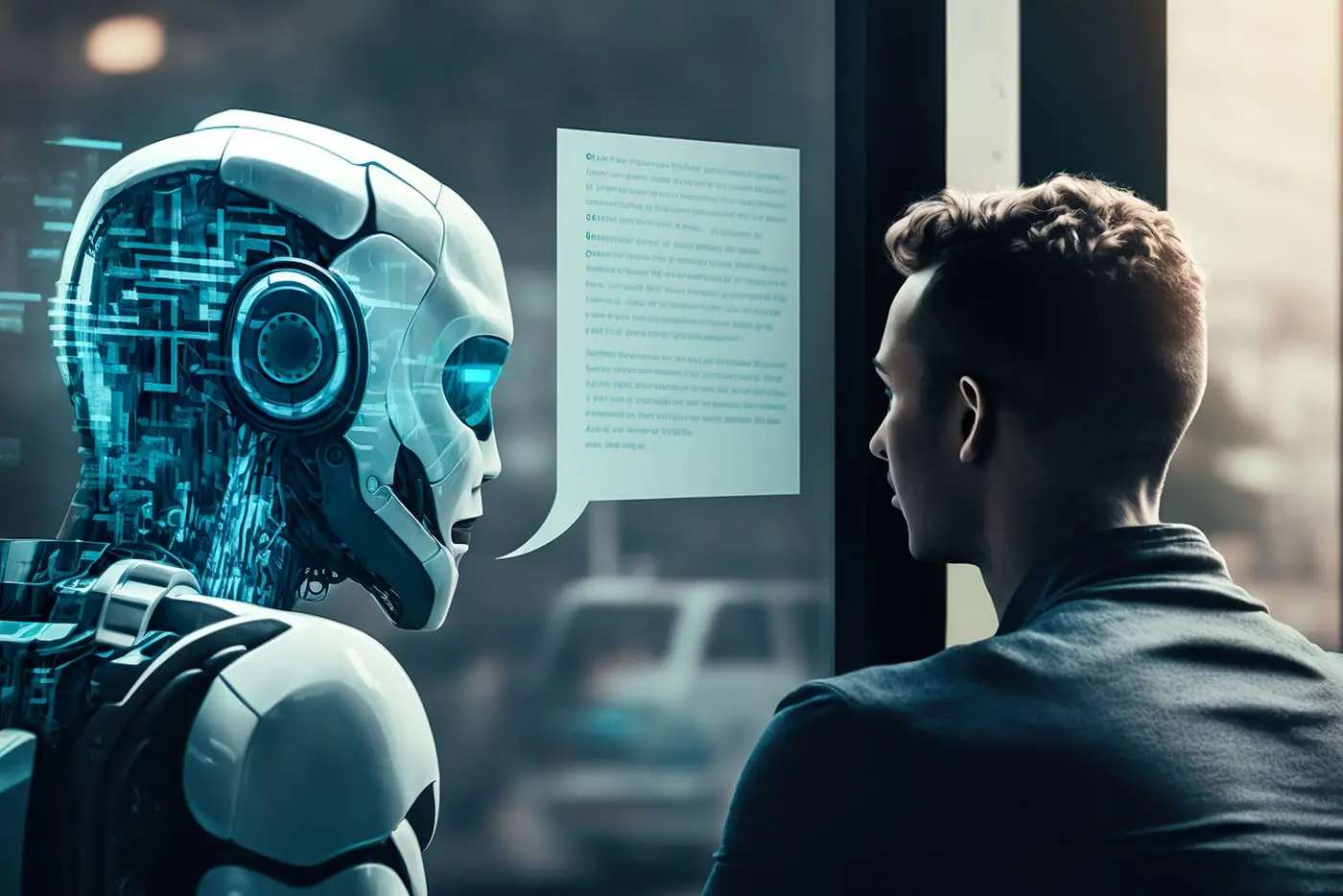
In today’s fast-moving world, change is constant. Technology—and especially artificial intelligence (AI)—is no longer something out of science fiction. It’s here, actively shaping how we live, work, and interact. From smart devices in our homes to systems running entire cities, AI is influencing decisions big and small, encouraging us to rethink what’s possible. Current news stories highlight innovations that are more than just convenient—they’re transformative.
AI at Home: Making Life Easier
One of the most noticeable ways AI impacts daily life is through home automation. Smart home devices, once considered a luxury, are now increasingly common. AI-driven assistants help with:
- Controlling lights and climate
- Managing grocery lists
- Scheduling appointments
Modern homes now feature systems that can anticipate needs, suggest adjustments, and learn preferences over time. The benefits go beyond convenience: these technologies save time, reduce energy use, and enhance personal safety. Consumer reports show that adoption of AI-powered home systems has doubled in just the past two years, reflecting growing trust in technology that simplifies everyday life.
AI in Communication: Bridging Gaps
AI is also transforming how we communicate. Tools like language models, chatbots, and automated translation are no longer just for customer service—they’re part of daily life. Now, individuals can:
- Converse across languages effortlessly
- Businesses can streamline communication with global clients
- Social media platforms can curate content, flag misinformation, and boost engagement
While these tools offer incredible convenience, they also raise questions about privacy, algorithmic bias, and ethical decision-making. News outlets are exploring both the benefits and challenges of AI, highlighting its dual role as a facilitator and potential disruptor of human interaction.
AI in Healthcare: Smarter and Faster Solutions
Healthcare is one of the fields seeing the most dramatic AI-driven changes. Breakthroughs in diagnostic algorithms and predictive analytics are helping doctors detect conditions earlier and more accurately. AI can:
- Analyze medical imaging
- Monitor patient vitals in real time
- Assist in surgical procedures
These advancements lead to better outcomes, faster healthcare delivery, and broader access, especially in underserved regions. Stories of AI detecting early-stage cancers or predicting patient deterioration days in advance are becoming more common, signaling a shift toward proactive, data-driven healthcare.
AI in the Workplace: Enhancing Human Potential
The workplace is evolving rapidly thanks to AI. Automation is reshaping roles and skill requirements. While some worry about job displacement, AI mostly augments human abilities. Professionals now use AI for:
- Data analysis
- Predictive modeling
- Decision support
This frees time for creativity, strategy, and problem-solving. News coverage often features businesses successfully integrating AI to boost productivity while retraining employees to work alongside advanced systems. Today’s focus is less on fear and more on adaptation and opportunity.
AI in Transportation: Smarter and Safer Systems
Transportation is another area seeing AI innovation. Autonomous vehicles, once futuristic, are being tested and deployed worldwide. AI improves traffic flow, reduces accidents, and enhances fuel efficiency. Even public transit benefits from systems that predict demand, adjust routes dynamically, and improve safety. Reports show how AI-driven transportation can reduce congestion, lower emissions, and improve urban life.
AI in Education: Personalized Learning for Everyone
Education is undergoing a technological transformation. AI tools now personalize learning, providing:
- Customized lesson plans
- Instant feedback
- Adaptive tutoring
Students can progress at their own pace, while teachers gain insights into learning gaps for targeted support. AI helps bridge educational disparities, extending high-quality learning opportunities to communities that previously lacked access.
Challenges and Ethical Considerations
Despite these advancements, rapid AI adoption comes with challenges. Cybersecurity threats are growing, and AI can sometimes be used to exploit vulnerabilities. Policymakers, technologists, and ethicists are discussing responsible frameworks to balance innovation with societal safety. Key concerns include:
- Algorithmic fairness
- Accountability
- Long-term consequences of AI-driven decisions
Public discussions reflect the need for careful governance to ensure technology serves humanity responsibly.
Cultural Impacts: AI in the Arts
AI is also influencing creativity. From music and art to literature, AI tools allow people to experiment, collaborate, and innovate in new ways. This revolution raises questions about authorship, originality, and intellectual property, but it also opens exciting possibilities for creative expression.
Sustainability: AI for a Greener Future
AI is increasingly applied to environmental challenges, supporting sustainability goals. Examples include:
- Smart grids optimizing energy use
- AI climate models predicting natural disasters
- Automated ecosystem monitoring
Projects leveraging AI help farmers predict crop yields, cities reduce carbon footprints, and organizations track biodiversity. These initiatives demonstrate that technology can improve daily life while addressing urgent global issues.
Conclusion: Technology is Here to Stay
Today’s trending stories reveal that AI is not just a tool—it’s becoming an integral part of daily life. From homes to healthcare, education, transportation, and sustainability, AI improves efficiency, expands access, and reshapes society. At the same time, it raises complex ethical, social, and regulatory questions that demand thoughtful solutions.
By following these stories, we can see how AI is already transforming lives and how society is adapting to its opportunities and responsibilities. The integration of AI into daily life is not a distant future—it’s happening now, and it is reshaping the human experience in profound and lasting ways.