Abhishek Bachchan’s Personal Rights Protected, Misused Content of Actor to be Removed by Delhi High Court
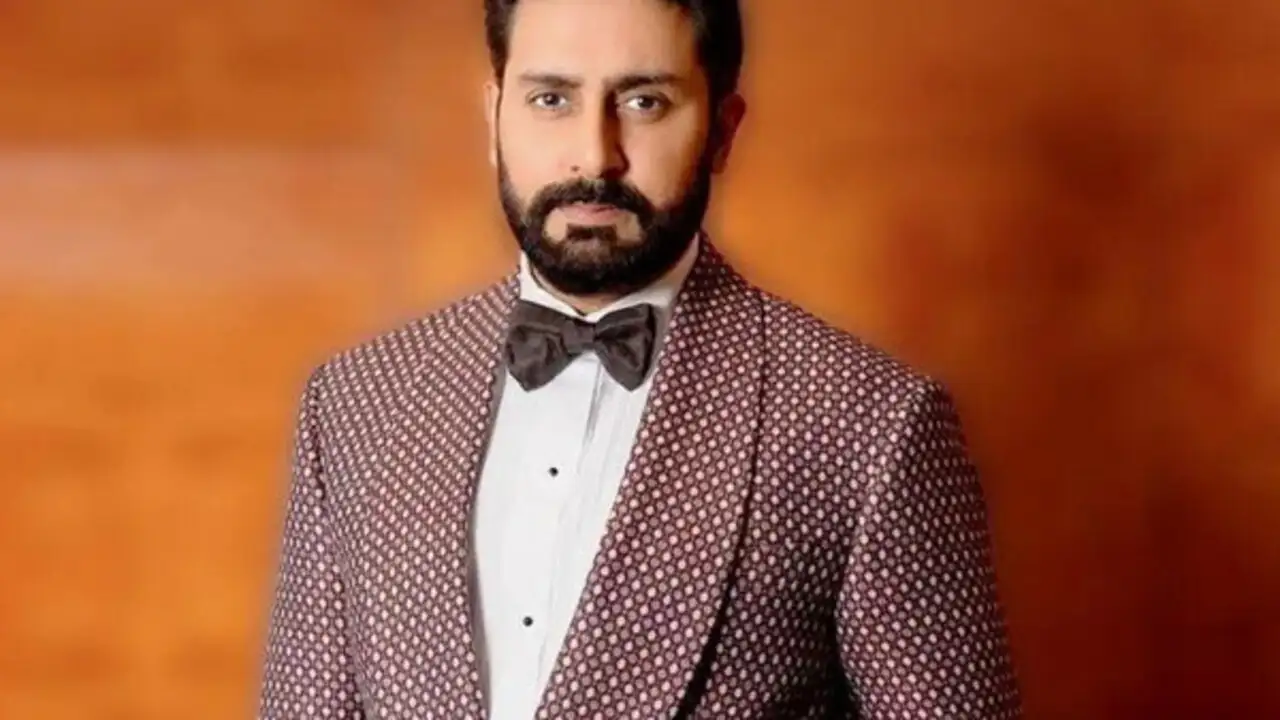
In a landmark ruling for the right to privacy of celebrities and digital rights in India, the Delhi High Court has upheld the personality right of Bollywood actor Abhishek Bachchan and ordered deletion of online content misusing his name, image, and voice.
The order, handed down earlier this week, reflects a major moment in the increasingly pitched debate about how personal identity is preserved in an era of fast-moving social media fads and artificial intelligence–driven content creation.
The Case That Led to the Ruling
Abhishek Bachchan had approached the Delhi High Court against a person for allegedly using his photograph, voice clips, and yet-to-be-released film footage—without his prior consent—on several social media platforms.
These included:
- Deepfake product-promotion videos
- Fake impersonated social media accounts
- Deceptive advertisements falsely claiming the A-list star endorsed certain brands
His legal team claimed the misuse of his image was in breach not only of Bachchan’s right to privacy but that it harmed his reputation and could potentially mislead consumers. They argued that the unauthorized use of his persona for commercial purposes violated “personality rights,” which include an individual’s control over how their name, image, voice, and other identifying traits are used.
Delhi High Court’s Landmark Directions
Justice Sanjeev Narula, hearing the matter, passed an interim order stating that public figures should not be subjected to impersonation and unauthorised use of their identity.
Key directions include:
- Immediate removal of the content from websites, social media platforms, and online marketplaces.
- A directive to internet service providers, search engines, and social media companies to identify and take down any material illegally employing Bachchan’s image, voice, or likeness.
The court reminded that noncompliance could result in sanctions and additional litigation.
Although the final trial on damages and reliefs is still pending, this decision protects the personality rights of Bachchan at interlocutory stages and establishes a strong precedent for future cases.
Understanding Personality Rights
Personality rights—a broader concept than publicity or image rights—refer to an individual’s right to control the commercial use of their identity.
Key points:
- While not codified as a separate statute in India, these rights are based on constitutional guarantees of privacy and common-law principles.
- The idea comprises qualities such as a person’s name, image, voice, signature, unique mannerisms, or catchphrases.
These features hold great commercial value in the entertainment industry and are often licensed for endorsements, marketing, and branding. Unauthorized use can erode that value and deceive the public.
Indian courts have increasingly recognized the significance of personality rights in the digital era. Precedents involving actors Amitabh Bachchan and Rajinikanth paved the way, and Abhishek Bachchan’s case further strengthens this evolving legal framework.
Internet Age Profile of Threats
The court’s decision arrives amid the growing prevalence of deepfakes and AI-generated content, which make it easier than ever to replicate someone else’s face or voice.
While filters and creative tools can be entertaining, they have also enabled:
- Scams and fake endorsements
- Defamation and harassment
Experts warn that celebrities are at particular risk because of their online visibility. False endorsements can deceive consumers, damage brand integrity, and ruin an artist’s career.
“Digital manipulation tools are getting so advanced that they can even fool the most discerning viewer,” said a Delhi-based intellectual property lawyer. “This ruling sends a clear message that the law will protect people from these new forms of harassment and intimidation.”
Industry and Public Reactions
The ruling has drawn significant attention from the entertainment industry and legal community:
- Other celebrities and public figures backed Bachchan, calling for stronger laws to combat identity theft and unauthorized use of celebrity images.
- Advertising associations praised the decision, emphasizing the importance of consent in brand partnerships.
“When a celebrity is promoting a product, this is all highly negotiated. It violates that trust when a stranger does it for money,” said an executive at a leading advertising council.
Fans of Bachchan also flooded social media to show their support, praising his stand for right to privacy and digital safety. Many saw the case as a wake-up call for all internet users—celebrity or not—to remain vigilant about how personal data and images are used online.
Broader Legal and Social Implications
The ruling is likely to influence how courts in India and elsewhere handle similar cases. It highlights the judiciary’s readiness to apply traditional legal concepts to modern technological challenges.
Implications include:
- Encouraging other celebrities and individuals to challenge misuse of their identity.
- Prompting brands and advertisers to be more careful with permissions when using public images.
- Reinforcing the need for specific legislation on personality rights and deepfakes.
While the Information Technology Act and current privacy laws provide some remedies, experts argue that a dedicated law would create clearer definitions and stronger deterrence.
Abhishek Bachchan’s Perspective
Abhishek Bachchan has not issued a detailed statement since the order, but sources close to him note that he views the ruling as a victory not just for himself but for all concerned about digital misuse.
Known for films such as Guru and Bob Biswas, Bachchan has consistently advocated responsible social media use and maintaining personal boundaries in public life.
By pursuing this case, he reinforces the message that even in an industry built on publicity, consent and control over one’s identity are paramount.
A Path to Accountable Online Spaces
The Delhi High Court’s decision represents more than a personal triumph for Abhishek Bachchan—it marks a critical step toward ensuring accountable digital spaces.
As technology blurs the lines between reality and fabrication, this case is a reminder that laws can evolve to protect individuals from exploitation. It also serves as a call to action for politicians, platforms, and users to ensure that freedom of expression and creativity are balanced with the right to privacy.