BLACKPINK “Disrespected” BTS? Viral Video Sparks Controversy Among Fans
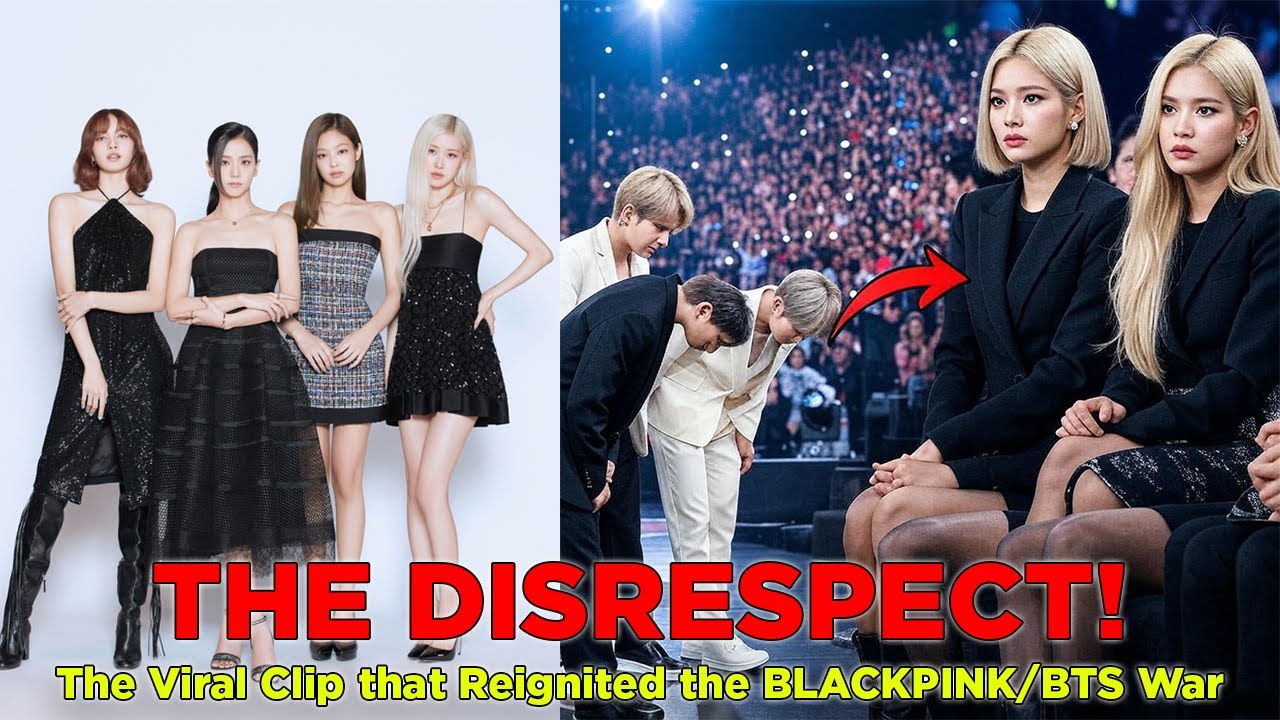
A resurfaced video from an awards show has reignited tensions between two of K-pop’s biggest acts — BLACKPINK and BTS. Fans are accusing BLACKPINK of showing disrespect after the clip went viral again on social media. The footage shows BLACKPINK members seated while BTS return to their seats — a moment that some interpret as a deliberate snub.
The Viral Moment
The controversial footage comes from the Melon Music Awards (MMA) in 2018. During the ceremony, BTS members return to their seats after a segment, and it is customary for all artists present to stand and bow — a traditional gesture of respect.
In the clip, however, while others rise, BLACKPINK remains seated, sparking criticism online.
The video’s resurgence has reignited debates among fans and has raised questions about respect, rivalry, and dynamics within the K-pop industry.
What makes this particular moment even more compelling is how it resurfaced years later and still managed to ignite fresh controversy. In an era where digital content is constantly archived, replayed, and reinterpreted, even a few seconds of footage can gain new meaning when viewed through a different lens. The original broadcast of the awards show did not generate this level of outrage at the time, suggesting that context, timing, and evolving fan narratives play a major role in shaping public perception. The clip’s reappearance coincides with a period of heightened sensitivity among fandoms, where past interactions are often revisited to support present-day arguments.
Additionally, award shows in K-pop are highly choreographed environments, where artists are often juggling multiple responsibilities — from preparing for performances to managing schedules and interactions. In such settings, moments that appear intentional may simply be the result of distraction, timing, or logistical confusion. However, when these moments are isolated from their broader context and circulated widely, they can take on a narrative of their own. This is exactly what happened with this clip, turning a brief, ambiguous interaction into a viral talking point that continues to fuel debate years later.
Fan Reactions
The response from fans, particularly BTS ARMY, has been intense:
- Anger and disappointment: Many feel that staying seated at such a prestigious event is more than just etiquette; it signals a lack of acknowledgment.
- Speculation of resentment: Some fans suggest BLACKPINK might have harbored jealousy toward BTS’s early success.
- Ongoing discussion: The clip continues to circulate widely, fueling debates, speculation, and fan discourse online.
For many, the act of remaining seated feels like a deliberate snub rather than an oversight.
The intensity of fan reactions highlights the deep emotional investment that K-pop audiences have in their favorite groups. For many fans, supporting an artist goes beyond enjoying music — it becomes a part of their identity. As a result, perceived slights against their idols are taken personally, leading to strong emotional responses. In this case, some BTS fans interpreted BLACKPINK’s actions as a lack of respect not just for the group, but for everything they represent, including their achievements and journey in the industry.
However, it is important to note that fan reactions are not uniform. While some expressed anger, others called for restraint, urging fellow fans to avoid jumping to conclusions based on limited information. This divide within the fandom reflects a broader shift toward more balanced discussions, where fans are increasingly aware of the dangers of misinformation and overinterpretation. At the same time, the speed at which opinions spread on social media often amplifies the most extreme viewpoints, making it seem as though outrage is more widespread than it actually is.
BLACKPINK’s Response
Neither BLACKPINK nor their agency YG Entertainment has publicly addressed the controversy.
- Unclear intent: There’s no explanation whether staying seated was accidental, due to scheduling, or intentional.
- Fan speculation: Some believe it could have been a calculated gesture or an internal joke among the members.
- Blown out of proportion: Others argue that the incident has been magnified, considering the competitive and passionate nature of K-pop fan culture.
The silence has only added fuel to the ongoing debate.
The absence of an official response from BLACKPINK or their agency has played a significant role in sustaining the controversy. In the world of entertainment, silence can often be interpreted in multiple ways — as indifference, as a strategic decision to avoid escalating the issue, or simply as a recognition that the situation does not warrant a response. For many fans, however, the lack of clarification leaves room for speculation, allowing different narratives to emerge and gain traction.
From a strategic standpoint, addressing every viral controversy can be counterproductive, especially when the issue is based on subjective interpretation rather than concrete evidence. Entertainment companies often choose to remain silent in such situations to prevent further escalation and to avoid giving additional visibility to the controversy. This approach, while practical, can sometimes frustrate fans who seek closure or reassurance. In this case, the silence has contributed to the longevity of the debate, keeping the conversation alive across platforms.
Broader Fandom Dynamics
This controversy highlights deeper tensions between BTS and BLACKPINK fandoms.
- Previous incidents: Even casual interactions between members of the two groups have sparked fan debates.
- Award show scrutiny: Surprise appearances, collaborations, or nominations are often dissected for hidden meanings.
- Media influence: Coverage sometimes frames moments in ways that encourage rivalry and speculation.
Such dynamics show how small gestures in the K-pop world can have far-reaching implications for fan communities.
The ongoing tension between BTS and BLACKPINK fandoms is not unique, but rather a reflection of the competitive nature of the K-pop industry. Both groups represent the pinnacle of global success, and their achievements are often compared by fans and media alike. This competitive framing can create an environment where even neutral interactions are viewed through a lens of rivalry. As a result, moments that might otherwise go unnoticed become significant when associated with these two powerhouse groups.
Social media plays a crucial role in shaping these dynamics. Platforms like Twitter, Instagram, and TikTok allow fans to share, analyze, and debate content in real time, often leading to the rapid spread of narratives. Algorithms tend to prioritize engaging content, which means that controversial or emotionally charged posts are more likely to gain visibility. This creates a feedback loop where discussions are amplified, drawing in more participants and further intensifying the debate. In such an environment, maintaining a balanced perspective can be challenging.
Media and Cultural Context
Industry observers note the cultural and symbolic significance behind the act of standing and bowing in Korean award shows:
- Symbolic gestures: For BTS fans, it represents acknowledgment of hard work and achievement.
- Misunderstandings: International fans may misinterpret cultural norms, magnifying reactions.
- Industry insight: Even brief on-stage interactions can become defining moments when amplified by social media scrutiny.
These elements demonstrate why seemingly minor gestures can carry so much weight in K-pop culture.
Understanding the cultural context of Korean award shows is essential when evaluating incidents like this. In South Korea, gestures such as standing and bowing are deeply rooted in social norms and are seen as expressions of respect and acknowledgment. These customs are especially important in formal settings, where hierarchy and etiquette play a significant role. For Korean audiences, such gestures carry a level of meaning that may not be immediately apparent to international viewers.
At the same time, the globalization of K-pop means that these cultural practices are being interpreted by a diverse audience with varying perspectives. International fans may not always be familiar with these nuances, leading to differing interpretations of the same action. This cultural gap can contribute to misunderstandings, as behaviors that are significant in one context may be perceived differently in another. Recognizing this complexity is key to understanding why such incidents can become controversial on a global scale.
Why the Debate Matters
The clip may only last a few seconds, but it resonates for several reasons:
- Symbolism over performance: Standing and bowing reflects respect and professional courtesy.
- Fandom rivalry: K-pop fans are fiercely protective, turning small gestures into major talking points.
- Media influence: Coverage can exaggerate the significance of minor incidents.
- Cultural expectations: In Korean traditions, failing to stand or bow is often seen as disrespectful.
Understanding these layers helps explain why the debate has grown beyond a single video.
The significance of this debate extends beyond the specific incident, highlighting broader themes within the entertainment industry. It underscores the power of perception, where actions are often judged not just by what happened, but by how they are interpreted. In a highly visible industry like K-pop, where public image is carefully curated, even minor moments can have a lasting impact on how artists are perceived.
Moreover, the debate reflects the evolving relationship between artists and their audiences. Fans today have unprecedented access to content and a platform to express their opinions, giving them a more active role in shaping narratives. While this can lead to greater engagement, it also increases the potential for misinterpretation and conflict. The challenge lies in finding a balance between active participation and responsible consumption of information.
Current Status
As of now:
- BLACKPINK has not commented publicly.
- BTS fans continue to discuss the clip online, seeking acknowledgment or clarification.
- Industry observers view it as part of the broader conversation about respect, etiquette, and rivalry in K-pop.
The viral moment serves as a reminder of the scrutiny high-profile idols face and how minor actions on stage can have long-term effects on perception.
Conclusion
A short clip from a 2018 awards show has sparked a full-blown debate about respect, perception, and rivalry. Whether BLACKPINK intended any disrespect or not, the viral video has become a touchpoint in K-pop culture, amplified by fan reactions and media commentary.
In the world of K-pop, public image and fan loyalty are paramount. Even a few seconds on stage can leave a lasting impression, proving that gestures of acknowledgment — or perceived slights — resonate for years to come.