Who Is Sameer Wankhede? Former Narcotics Bureau Officer Moves Delhi HC in Defamation Suit
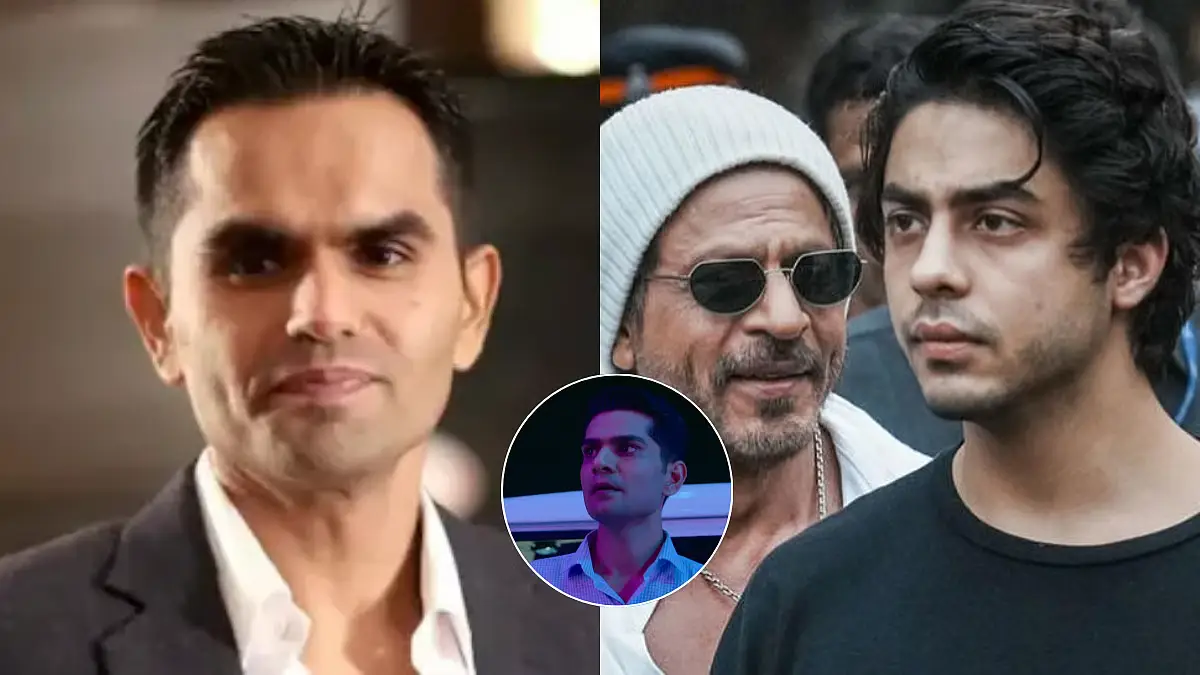
In a fresh twist to one of India’s most high-profile drug investigations, former Narcotics Control Bureau (NCB) zonal director Sameer Wankhede has filed a defamation suit in the Delhi High Court. The case raises questions about reputation, artistic freedom, and the ongoing effects of a career forged in the glare of public attention.
Ascendancy and Contentious Legacy
Who is Sameer Wankhede?
He was the zonal director of the NCB, Mumbai, and gained media attention for dozens of high-profile anti-drug operations. Over the years, he developed a reputation as a no-nonsense officer who did not cave in to celebrity or political pressure.
- In October 2021, an NCB team under his supervision arrested Aryan Khan, son of Bollywood star Shah Rukh Khan, in the famous “drugs-on-cruise” case.
- The arrest set off a media circus that lasted for weeks. Aryan Khan spent over three weeks in jail before being granted bail, and eventually the charges were dismissed for lack of evidence.
That case catapulted Wankhede to the centre of a national debate. While he earned accolades as a hard-as-nails law enforcer, critics claimed procedures were bypassed. Internal NCB reviews later pointed to discrepancies and gaps in evidence, further intensifying the scrutiny.
Soon after, Wankhede faced allegations of high-handedness, bribery, and falsification of records—all of which he has consistently denied, dismissing them as politically motivated attempts to tarnish his service record. He even secured interim relief in court in another bribery investigation, insisting he acted strictly within the law.
Personal Life
Outside his career, Wankhede is married to Marathi actress Kranti Redkar.
The couple has braved the public eye together, with Redkar standing firmly by his side during controversies.
The New Legal Fight: Defamation at Delhi High Court
In his most recent legal battle, Wankhede has filed a defamation case against a new web series titled The Bads of Bollywood*.
He alleges that the show insinuates him indirectly in a manner that is defamatory and factually incorrect. The series’ producers, the streaming company, and several large technology firms are named as defendants.
Key points from his petition:
- The series allegedly depicts anti-drug government workers as slack, lowering the reputation of law enforcement.
- Wankhede claims certain scenes were intentionally created to embarrass and belittle him.
- One specific scene shows a character reciting “Satyamev Jayate”—a part of India’s national motto—before making an obscene gesture.
- Wankhede contends this insults a national symbol and violates the Prevention of Insults to National Honour Act, 1971.
The former NCB officer seeks:
- A permanent injunction restraining the defendants from streaming or circulating the series.
- A declaration that its content is defamatory.
- Damages of two crore rupees, which he has pledged to donate to Tata Memorial Cancer Hospital, reflecting moral conviction and public conscience.
He further argues that the creators knew of his ongoing legal disputes and made the show with “intent to malign” him, and that it violates the Information Technology Act, 2000 and the Bharatiya Nyaya Sanhita by transmitting obscene and derogatory material.
So far, the Delhi High Court has not issued an interim order to take down or restrict the series while hearing the case.
Issues at Stake
This case raises serious questions about the tension between freedom of expression and the right to reputation.
- Supporters of the series may argue that, with a disclaimer of pure fiction, the dramatization of public events is protected under free speech and creative expression.
- Wankhede contends that the depiction makes pointed references to his character, unlawfully harming his personal and professional reputation.
The court must determine:
- Whether the series contains identifiable references to Wankhede.
- Whether those references amount to actual defamation.
- How far artistic freedom extends in creating fictional characters inspired by real incidents.
The controversy inevitably recalls the Aryan Khan case and the intense public debate that surrounded it. For many, the series revives that politically and culturally significant episode.
Wankhede’s offer to donate any damages to a cancer hospital adds an unusual dimension, suggesting that his focus is on clearing his name and setting a precedent, rather than personal financial gain.
Reactions and Public Discourse
The defamation suit has sparked strong discussion on social media and in legal circles:
- Supporters view Wankhede’s action as important pushback against careless portrayals of real people.
- Critics worry that a judgment in his favor could have a chilling effect on creative freedom, discouraging filmmakers from exploring stories based on real events.
Public opinion reflects the divided perception of Wankhede himself.
To some, he remains the officer who challenged powerful figures and embodied the fight against drug trafficking.
To others, he represents the overreach of law enforcement in high-profile cases.
His wife, Kranti Redkar, has openly supported him, posting on social media: “STOP MAKING FUN of it as IT is no joke!!”—underscoring the personal and emotional stakes of the battle.
What Lies Ahead
The Delhi High Court will decide whether to issue interim orders, such as temporarily banning the series while the defamation case is heard. Such early rulings often set the tone for the entire litigation.
In the months ahead, the court will scrutinize whether the series:
- Directly links Wankhede to false statements of fact.
- Caused reputational harm.
The defense is expected to argue that the series is a work of fiction and that any resemblance to real persons is purely coincidental or protected by free speech.
A judgment in Wankhede’s favor could encourage other public figures to challenge portrayals they consider damaging. Conversely, a ruling for the series’ creators could reaffirm broad protections for creative works based on real-life events.
Conclusion
Sameer Wankhede’s defamation case against the producers of The Bads of Bollywood* is more than a personal dispute.
It represents a clash between the right to protect one’s reputation and the freedom of storytellers to dramatize public events.