BTS’s “Spring Day” Leaves Melon Chart After Over 8 Legendary Years
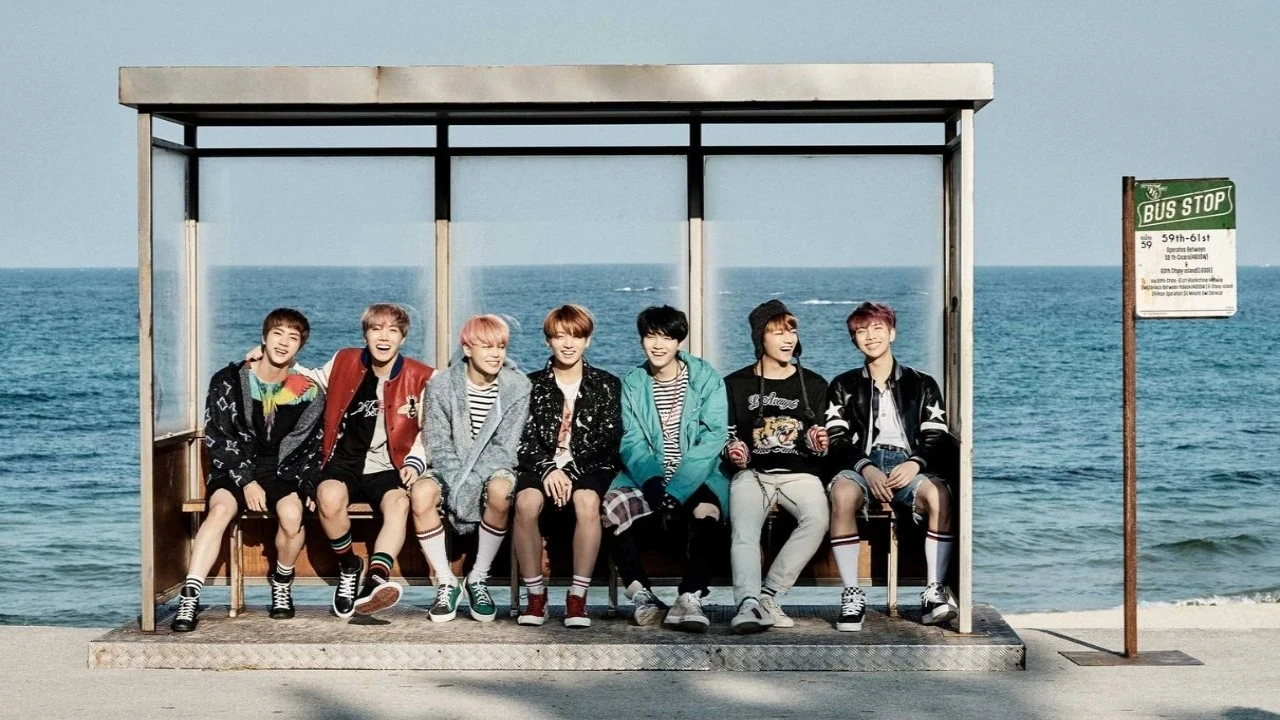
For more than eight years, BTS’s sentimental ballad “Spring Day” has been a fixture on South Korea’s Melon chart, quietly leading the revolution in long permanence in K-pop’s fast and furious world. This week, that historic streak finally ended, ushering in the end of an era that both fans and industry observers say will go down as one of the most extraordinary accomplishments in modern music history.
A Record-Breaking Journey
“Spring Day,” from BTS’s You Never Walk Alone album (released on Feb. 13, 2017), was never intended to be a conventional dance-floor tear-up. Instead, it stood out as a quiet and emotionally powerful moment—its soft-rock influences and heartfelt lyrics connecting with people who wanted something deeper to dive into. When many K-pop singles flare up and fade in a flash, “Spring Day” seemed at odds with those from the start.
- Within days of release, the song shot to No. 1 on various South Korean music charts and remained a fixture on Melon, the country’s biggest and most influential streaming service.
- What distinguished “Spring Day” was its longevity. While many hits rely on saturation promotion, the ballad kept thriving for years, setting a new record for time spent on the Melon Weekly Chart.
Over the years, “Spring Day” earned the nickname “Queen of Longevity,” embraced by fans and media alike. Its chart performance was astounding, exceeding 300 weeks and even surpassing the 400-week mark. Few songs in any genre have stayed relevant so persistently, and no K-pop song has come close to matching its streak.
More Than Just a Song
Some of what kept “Spring Day” going for so long was its universal message. The lyrics, co-written by BTS’s RM, Suga, and producer Pdogg, explore themes of hope, longing, and reunion after separation.
- Some listeners have interpreted the song as an homage to the victims of the 2014 Sewol ferry disaster, though the group has never confirmed this.
- Whatever the meaning, “Spring Day” addressed feelings of loss and solace that transcended cultural and linguistic borders.
For fans—collectively known as ARMY—it was more than just a track to stream. It became an adopted friend for rainy days and a work of art to console loss or loneliness. The song’s slow, anthemic melody—matched with the sincere vocal performances of all seven members—felt like a salve, aspiring to lift spirits across borders and ideologies.
Music critics often note that this track showcases a different side of BTS. Although the group is best known for punchy hits like “Dynamite,” “Mic Drop,” and “Butter,” this ballad highlighted their ability to tell poignant, emotional stories. It cemented BTS’s status not only as global superstars but also as genuine artists.
A Case Study in BTS’s Global Power
The longevity of “Spring Day” reflects BTS’s wider influence on the music industry.
- Since debuting in 2013, they have driven K-pop’s global expansion, reaching audiences in the United States, Europe, and beyond.
- Despite their worldwide fame, their strong connection to South Korea remains central to their identity.
The song’s ongoing popularity paralleled the band’s own meteoric rise—from small venues to sold-out stadiums worldwide. While BTS collected Grammy nominations and Billboard Hot 100 chart-toppers, “Spring Day” served as a steadfast reminder of their origins.
Industry analysts frequently cite the track as proof of BTS’s unique bond with fans. ARMY’s dedication to keeping “Spring Day” on the charts turned into a global movement, with fans organizing streaming events and social campaigns to maintain its position.
Why Now?
Several factors may explain the song’s eventual chart exit:
- Melon algorithm changes and natural shifts in listening habits likely contributed.
- New releases from other artists and evolving streaming patterns affect older tracks, no matter how beloved.
Even so, nearly nine years is extraordinary in an industry where songs often vanish from charts within weeks.
Experts also note that BTS members are currently focusing on solo projects and fulfilling mandatory military service. While the group plans to reunite in 2025, their hiatus may have influenced streaming habits. Yet even as “Spring Day” leaves the Melon chart, it remains strong on platforms like YouTube and continues to appear in BTS’s live performances and fan playlists.
Fans Respond with Pride and Nostalgia
The song’s chart departure sparked a wave of emotions on social media:
- Many fans shared bittersweet memories of how the song supported them through difficult times.
- Hashtags like #SpringDay8Years and #QueenOfLongevity trended as ARMY celebrated the record-breaking journey rather than mourning its conclusion.
“Spring Day will always be in our hearts,” one fan wrote on X (formerly Twitter).
“It’s not just numbers now. It’s about the moments we shared streaming and the comfort this song provided,” said another.
For many, the song’s exit is not a farewell but a testament to BTS’s enduring legacy. Fans continue to play and share the track, ensuring it remains a cultural touchstone even without an official chart position.
The Legacy of “Spring Day”
As “Spring Day” finally departs the Melon chart after more than eight years, it leaves behind a remarkable legacy:
- A record-setting run that highlights BTS’s authentic connection with their audience.
- A blueprint for future musicians on how emotional resonance creates timeless music.
For BTS, the song is a point of pride, representing their ability to straddle the line between pop sensation and narrative poets. For ARMY, it will always be more than a song—it’s a shared memory, a source of comfort, and an enduring reminder of music’s power to heal and connect.