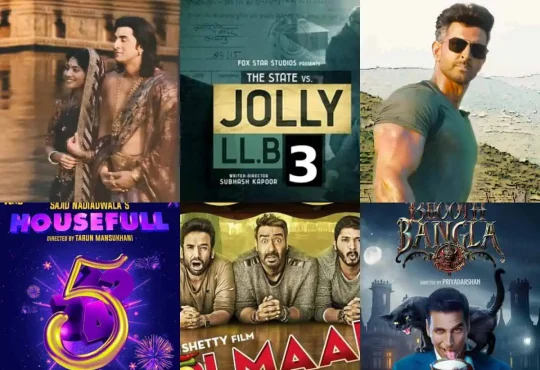
The Bollywood film industry, long celebrated for its glitz, glamour, and larger-than-life productions, is experiencing a transformative shift. From the way films are made to how they perform at the box office, everything is evolving. With changing audience preferences, the rise of digital streaming platforms, and fresh storytelling techniques, 2025 has highlighted how traditional formulas are being challenged and reshaped. These changes are setting the stage for the next era of Indian cinema.
A Shift in Audience Preferences
Bollywood audiences are evolving fast. Traditional masala films, which relied heavily on star power, catchy songs, and predictable plots, no longer guarantee box office hits. Today’s viewers want stories that:
- Resonate emotionally
- Offer fresh perspectives
- Challenge conventional storytelling
Films exploring complex themes, social issues, or nuanced characters are increasingly finding mainstream success. Movies like Chhaava, a historical drama about unsung heroes, and Tere Ishk Mein, a modern romantic drama, are not only drawing audiences but also sparking widespread conversations. These successes signal that audiences are ready for films that balance entertainment with meaningful storytelling.
Beyond thematic evolution, audience behavior itself has transformed dramatically in the past few years. Viewers are no longer passive consumers who accept whatever is marketed heavily. They actively research films before purchasing tickets, watching trailers multiple times, reading reviews, and scanning social media discussions to gauge early reactions. This decision-making process reflects a more informed and selective audience base. Younger viewers, especially urban multiplex audiences, demand layered storytelling and credible performances, while even mass audiences now expect tighter pacing and emotional payoff. The tolerance for weak scripts has decreased significantly. This shift is forcing filmmakers to rethink the idea of “safe cinema,” as predictability is often perceived as laziness rather than comfort. Audiences today want engagement—stories that surprise them, challenge them, or move them deeply. This behavioral transformation is one of the most powerful forces reshaping box office outcomes.
The Rise of Content-Driven Cinema
Bollywood is moving toward content-driven films, prioritizing script quality and character depth over star-centric approaches. This shift is evident in the commercial and critical success of movies that might have been considered niche just a decade ago.
For example, 120 Bahadur, a war drama based on real-life heroism, demonstrates that authentic storytelling can resonate with a wide audience. Historically, Bollywood focused on escapism, but now audiences are embracing realism alongside entertainment. Content-driven films also appeal to international viewers, expanding Bollywood’s global reach.
The emphasis on content has also elevated the importance of writers and screenplay development, areas that were historically overshadowed by casting decisions. Production houses are now investing more time in script workshops, character arcs, and narrative structure before green-lighting projects. Screenwriters are gaining visibility, and films are being judged on coherence rather than spectacle alone. This renewed focus on writing quality has allowed mid-budget films to compete with large-scale productions, especially when the story feels authentic. Content-driven cinema is also benefiting from repeat viewings, as audiences recommend strong narratives to others. Word-of-mouth has become a currency in itself. Instead of front-loaded box office numbers driven purely by star power, films are increasingly sustaining collections over time through audience endorsement. This sustainability model marks a fundamental shift in how success is built and maintained.
Box Office Strategies and Release Patterns
The competition for screens and audience attention is fierce. To succeed, producers are now strategically planning film releases, avoiding clashes with festivals, other big releases, and major events. This careful timing maximizes box office potential and reduces the risk of being overshadowed.
Franchise films and cinematic universes are also shaping release strategies. Popular series and sequels are timed to capitalize on established fan bases, ensuring sustained interest and predictable revenue streams in a competitive market.
Another notable change is the increasing reliance on data analytics in release planning. Studios now study historical performance trends, regional audience behavior, and even climate or festival calendars to optimize timing. Instead of blindly targeting holiday weekends, producers assess genre compatibility with audience mood. For example, high-energy action films perform better during festive periods, while emotionally driven dramas may benefit from quieter windows with less competition. This calculated approach reduces financial risk and allows films to breathe without being crushed by simultaneous releases. Additionally, screen allocation has become more strategic. Multiplex chains evaluate advance bookings and adjust show counts dynamically, ensuring higher occupancy rates. The box office is no longer purely instinct-driven—it is becoming data-informed, aligning creative decisions with commercial intelligence.
The Digital Impact: Streaming and Hybrid Releases
Digital streaming platforms like Netflix, Amazon Prime Video, and Disney+ Hotstar are reshaping Bollywood. Many films now have hybrid releases: debuting in theaters and then becoming available online. This approach allows filmmakers to:
- Tap into traditional theatrical revenue
- Reach the rapidly growing streaming audience
- Broaden access for smaller, content-driven films
Interestingly, some films that underperform in theaters find great success online. This shift is changing how commercial success is measured in the industry.
Streaming platforms have also influenced audience expectations regarding production quality. Viewers accustomed to high-definition web series with cinematic visuals now expect similar standards from theatrical releases. This crossover pressure has narrowed the quality gap between digital and theatrical content. Hybrid releases have introduced flexibility, allowing producers to recover investments through pre-sold streaming rights even before theatrical debut. In some cases, OTT deals provide financial cushioning, reducing the dependency on opening weekend numbers. This safety net encourages experimentation, as filmmakers feel more secure taking narrative risks. However, it also raises the bar—if a film fails to create theatrical urgency, audiences may choose to wait for its digital premiere. As a result, theatrical releases must justify exclusivity by delivering immersive experiences that cannot be replicated at home.
Marketing Innovations and Audience Engagement
Marketing in Bollywood has become digital-first and highly interactive. Modern strategies include:
- Social media campaigns
- Influencer partnerships
- Behind-the-scenes content
- Live interactions with fans
These methods help studios create anticipation, track audience reactions, and adapt campaigns in real-time. Films leveraging these tactics often enjoy strong opening weekends, which can set the tone for long-term success.
Modern marketing strategies are increasingly psychological rather than purely promotional. Campaigns are designed to build emotional anticipation, not just awareness. Studios use teaser drops, countdowns, interactive challenges, and early review screenings to create community momentum. Influencers and fan pages often play a larger role than traditional advertising, as peer validation carries more weight. Marketing is also segmented—urban audiences receive different messaging compared to mass-market viewers. Digital tracking tools monitor audience reactions in real time, allowing studios to tweak messaging mid-campaign. This adaptive marketing model reflects the industry’s recognition that attention spans are short and competition is intense. The films that dominate conversations before release often carry that momentum into opening weekend collections.
The Role of Globalization
Bollywood’s audience is no longer limited to India. International markets like the United States, Middle East, and Southeast Asia are now vital for revenue. To appeal globally, filmmakers are:
- Incorporating universal themes
- Using higher production values
- Offering subtitles or dubbing for accessibility
Globalization also influences production decisions. Larger budgets, advanced visual effects, and international shooting locations are becoming more common, giving Bollywood a polished, cosmopolitan look while retaining its cultural essence.
Globalization has expanded not only revenue streams but also creative benchmarks. Bollywood films are now compared directly with international productions in terms of pacing, cinematography, and narrative sophistication. Overseas audiences demand subtitles, culturally adaptable themes, and universal emotional arcs. International box office performance has become a status symbol, influencing how films are perceived domestically. Co-productions and cross-border collaborations are increasing, bringing diverse technical expertise into Bollywood projects. However, filmmakers must balance global appeal with cultural authenticity. The challenge lies in telling stories rooted in Indian identity while presenting them in a format accessible to global viewers. Those who master this balance are redefining what it means for Bollywood to compete on the world stage.
Challenges and Opportunities Ahead
Despite its growth, Bollywood faces challenges:
- Fierce competition from local and international films
- Rising production and marketing costs
- Audience attention spread across multiple platforms
Yet, these challenges create opportunities. By embracing diverse storytelling, innovative marketing, and hybrid releases, Bollywood can strengthen its domestic hold and expand globally. Filmmakers who adapt to these trends are likely to thrive, setting new standards for creativity, engagement, and box office success.
One emerging challenge is audience fragmentation. Viewers are divided across theatrical releases, streaming platforms, regional cinema, and international content. This fragmentation forces Bollywood to sharpen its identity and define its unique value proposition. At the same time, it creates opportunities for niche storytelling. Films targeting specific demographics—youth-centric dramas, women-led narratives, or regional crossover projects—can find strong support if marketed precisely. Budget discipline is also becoming essential. Overspending on spectacle without proportional narrative depth often results in financial strain. Future growth will depend on aligning creative ambition with realistic market expectations. The producers who embrace flexibility and audience insight will navigate this transitional period more successfully.
Conclusion
Bollywood is in the midst of a fascinating transformation. The trends of 2025 show a shift from purely star-driven, formulaic films to a more content-rich, strategically planned industry. Hybrid releases, innovative marketing, and strong storytelling are redefining commercial success.
Ultimately, Bollywood’s box office transformation is not a temporary phase but a structural evolution. The industry is recalibrating its priorities—shifting from formula dependency to strategic adaptability. Success is now built on a foundation of strong scripts, informed release planning, digital engagement, and global positioning. While unpredictability remains part of cinema’s charm, the patterns emerging in 2025 suggest a more mature and responsive marketplace. The films that thrive will be those that respect audience intelligence and embrace innovation without losing emotional resonance.
The magic of Bollywood lies not just in its glamour but in its ability to evolve, surprise, and captivate audiences across generations. As the industry continues to adapt, these changes promise to set new benchmarks for both cinematic excellence and box office performance.